
A new large-scale study suggests that a simple, over-the-counter vitamin could play a major role in preventing skin cancer. Researchers found that taking vitamin B3 in the form of nicotinamide significantly reduced the risk of developing new cancers — especially for those who’ve already had one.
What the researchers found
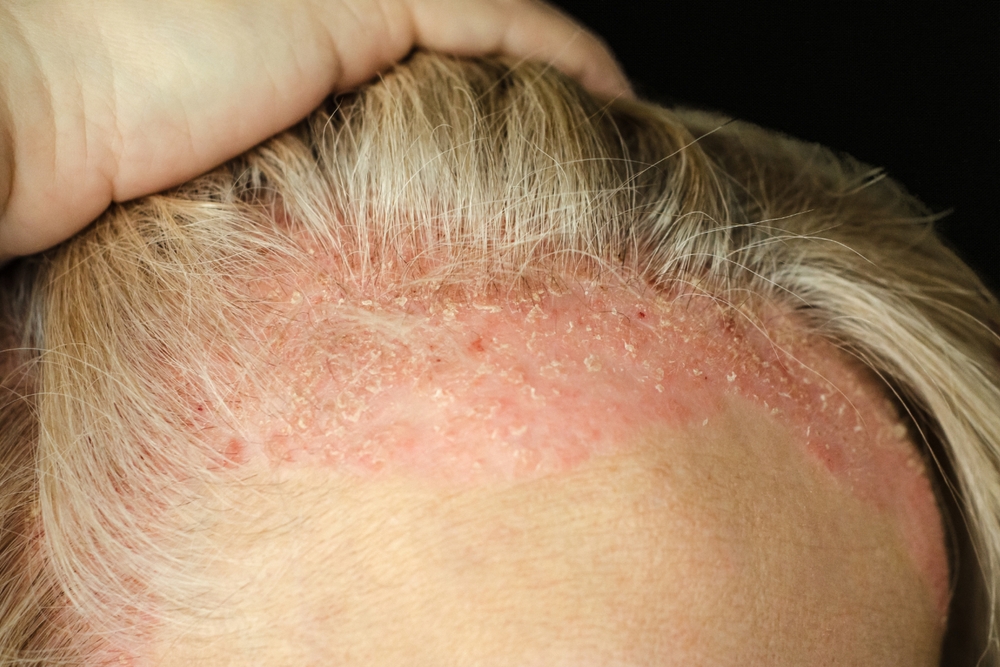
A massive U.S. study revealed that nicotinamide may lower the risk of skin cancer, particularly among people with a prior history of the disease.
A familiar vitamin with a new purpose
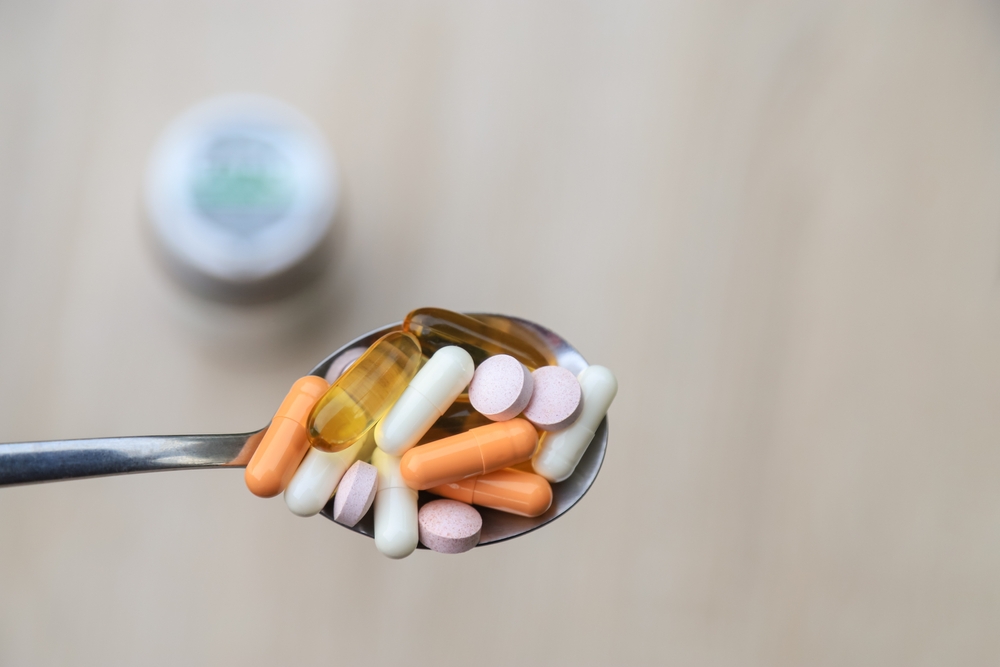
Nicotinamide, a form of vitamin B3, has long been known to support healthy skin and help cells repair UV damage. Now it may prove to be a key tool in cancer prevention.
From small trials to big evidence

Early studies from 2015 hinted at this benefit in just a few hundred participants. The new research, which included more than 33,000 patients, confirms those promising results on a much larger scale.
Also read: Study examines how artificial sweeteners affect weight and gut health
The strongest results in previous patients
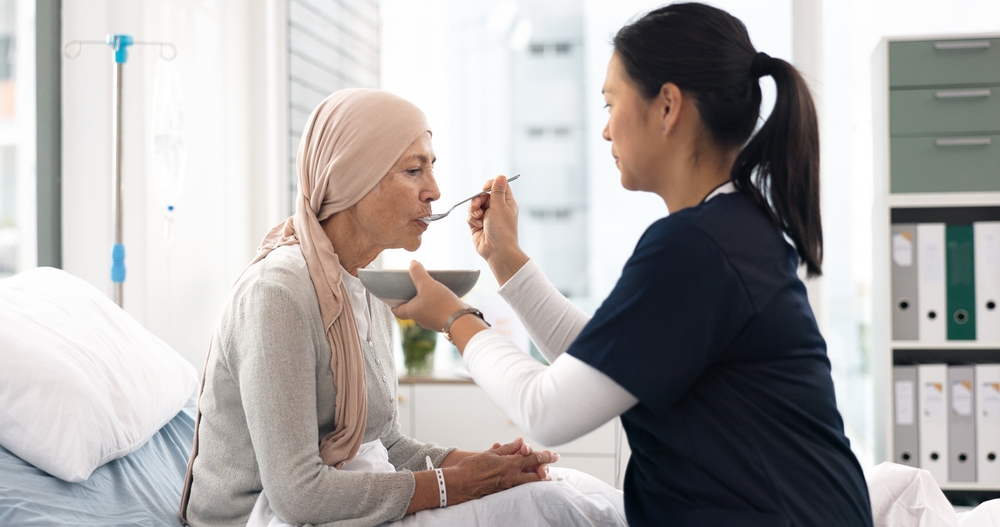
The study found that individuals who began taking nicotinamide after their first skin cancer diagnosis had a 54% lower risk of developing new cancers.
Noticeable overall reduction
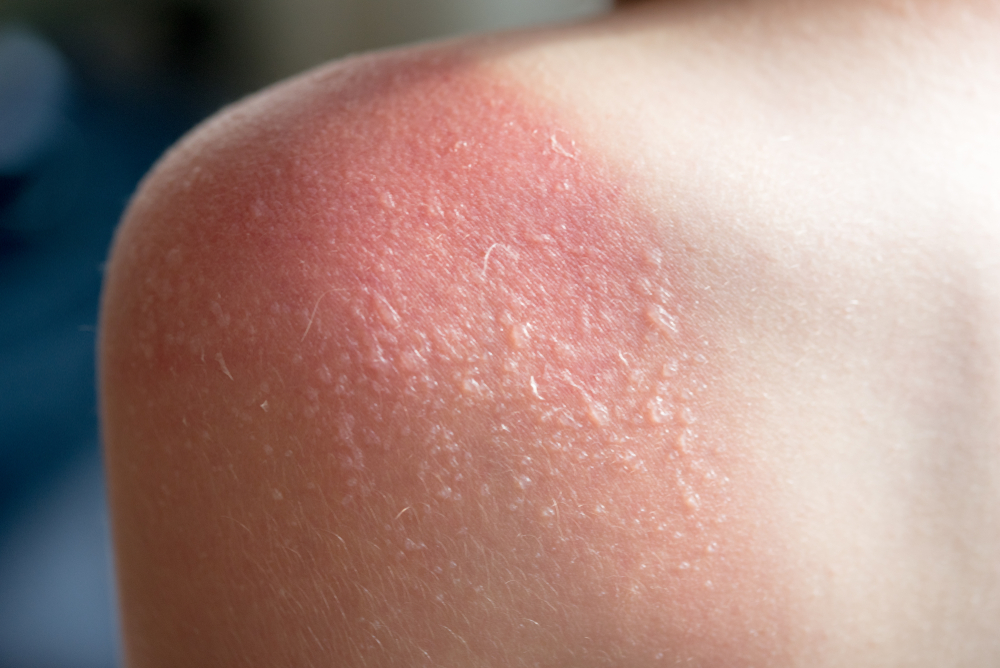
Overall, participants who took the vitamin showed a 14% lower risk of skin cancer compared with those who did not take it.
Especially effective against squamous cell carcinoma

The strongest protective effect was seen against squamous cell carcinoma — one of the most common types of nonmelanoma skin cancer.
A shift in prevention strategies

These findings could change how doctors approach prevention, encouraging earlier use of nicotinamide rather than waiting for multiple recurrences.
Also read: Scientists explore how vitamin D may shape long-term health
Not everyone benefits equally
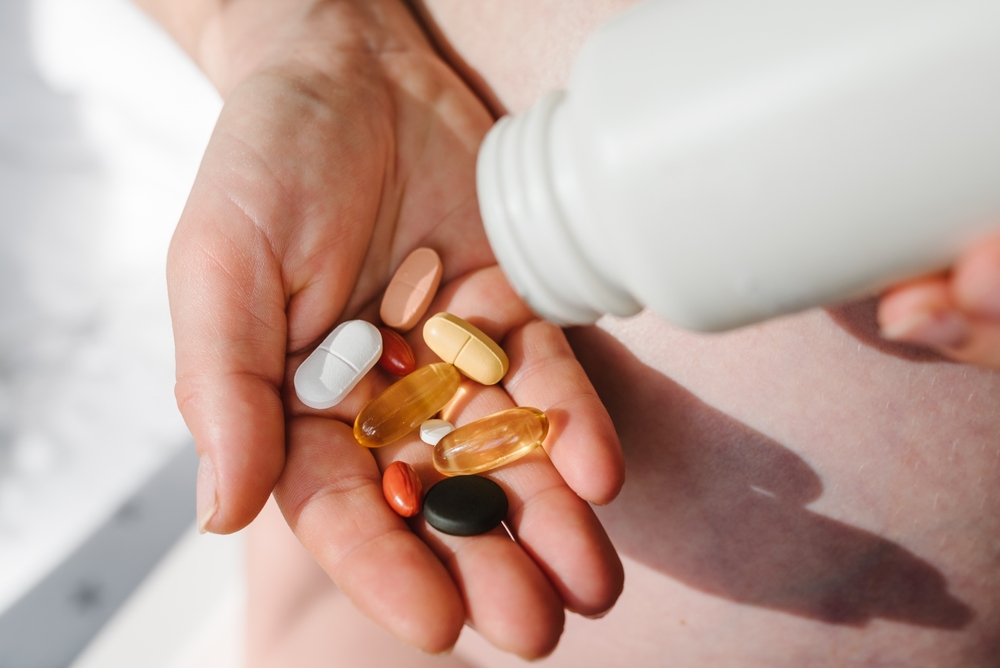
Researchers note that not all patients will experience the same protection. Roughly half of people who develop skin cancer go on to have multiple cases — those appear to benefit the most.
Limited results in transplant patients
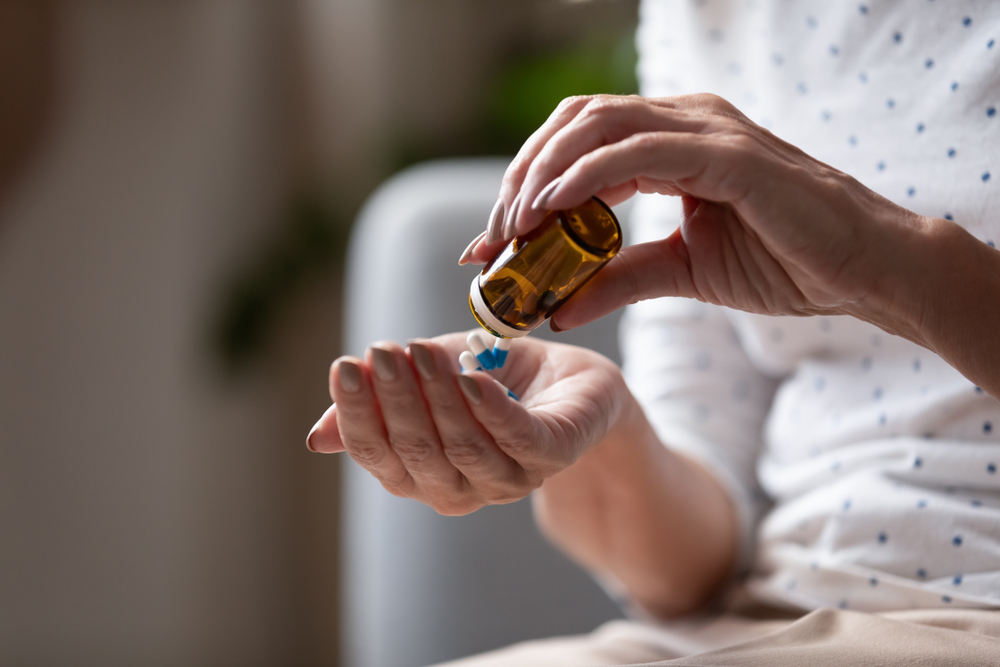
Among patients with weakened immune systems, such as organ transplant recipients, the protective effect was smaller but still showed some benefit against squamous cell carcinoma.
Simple, safe, and accessible
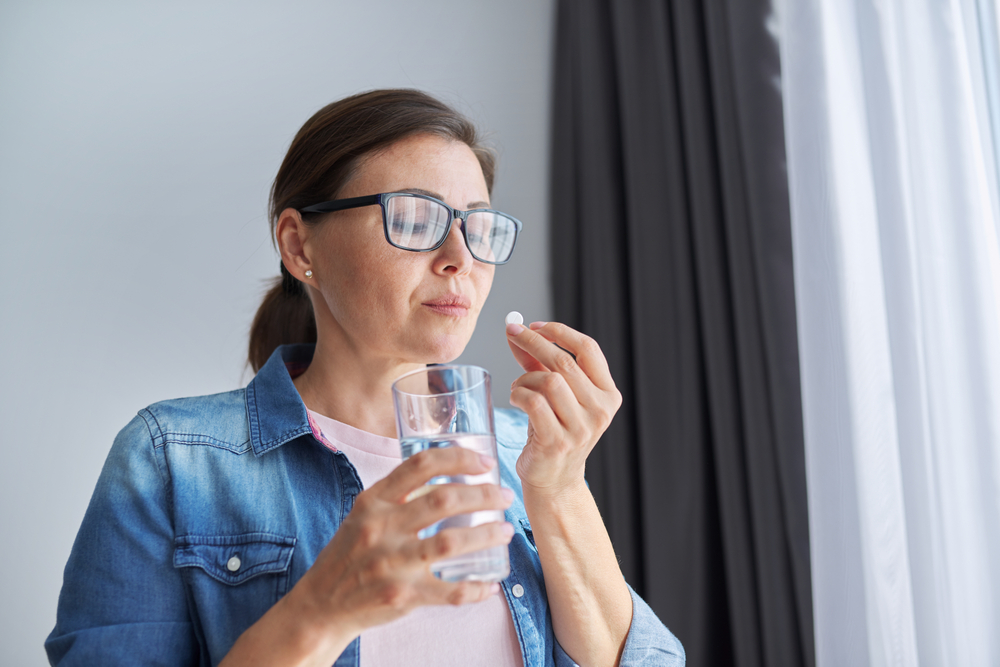
Nicotinamide is inexpensive, well tolerated, and available without a prescription — making it a practical addition to skin cancer prevention for many adults.
What it means for you

If you’ve had skin cancer before, talk to your doctor about whether nicotinamide could be right for you. And remember: consistent sun protection remains your best first defense.
Also read: An overview of early-stage pancreatic cancer symptoms
This article is based on information from ScienceDaily
Also read: What researchers found may finally help diabetics recover more naturally
This article is made and published by Mie Hermansen, who may have used AI in the preparation.