
A new U.S. study suggests a surprising connection between a common supplement and a slower biological aging process. The implications? Potentially years shaved off your body’s internal clock.
D3 and the Aging Mystery

In a recent four-year study, researchers discovered that taking vitamin D3 daily might reduce your biological age by up to three years. It’s all about what’s happening deep inside your cells.
Meet Your Telomeres

At the end of each chromosome lie telomeres – like plastic tips on shoelaces. These little protectors shorten as we age, and their length tells a story about your body's aging speed.
Why Shorter Telomeres Matter

Short telomeres are linked to age-related diseases like heart conditions, diabetes, and even cancer. Keeping them longer could mean a healthier, longer life.
Also read: He Lives on Coffee, Cookies and Dessert — and He’s 96 and Healthy
Where the Vitamin Comes In
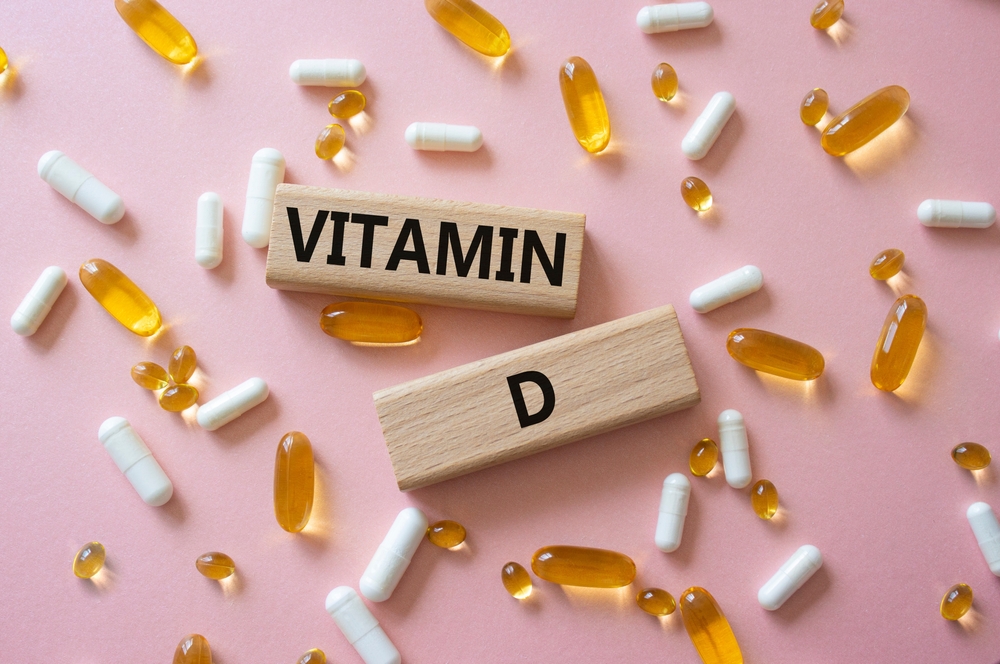
Vitamin D3 is the form of D vitamin we get from sunlight. It’s also found in foods like oily fish and fortified dairy products – and, of course, in supplement form.
The Study Behind the Buzz

The research involved 1,054 participants – women over 55 and men over 50 – who were tracked over four years. Half were given vitamin D3, and the other half received a placebo.
The Golden Dosage
Participants took 2,000 IU of vitamin D3 daily. That’s a high, but still safe amount, commonly used in supplement studies and clinical practice.
What the Results Showed

After two and four years, the group taking D3 had less telomere shortening than those on placebo – a strong signal of slowed biological aging.
Also read: This Happens to Your Liver When You Drink Coffee Every Day
A Hopeful, but Cautious Outlook

The scientists emphasize that more research is needed. While the results are promising, this isn’t a green light to mega-dose D3 just yet.
Beyond Aging: A Bigger Health Picture

If vitamin D3 really helps protect telomeres, it might also lower your risk for serious chronic conditions. It's about living better, not just longer.
What You Can Do Today

Many countries already recommend vitamin D supplements during winter. With this new research, year-round supplementation might deserve a second look.
This Article Is Based on Information From Illustreret Videnskab
Also read: The Most Overlooked Trick for Women's Pain Relief? It’s on Your Leg
Also read: Drink Your Way to a Healthy Liver Using Only Ingredients from Home