
Long praised for its anti-inflammatory properties, it’s now making headlines for its potential role in cancer treatment and prevention.
Here are some key facts that highlight what science currently knows about the spice and cancer.
The active ingredient
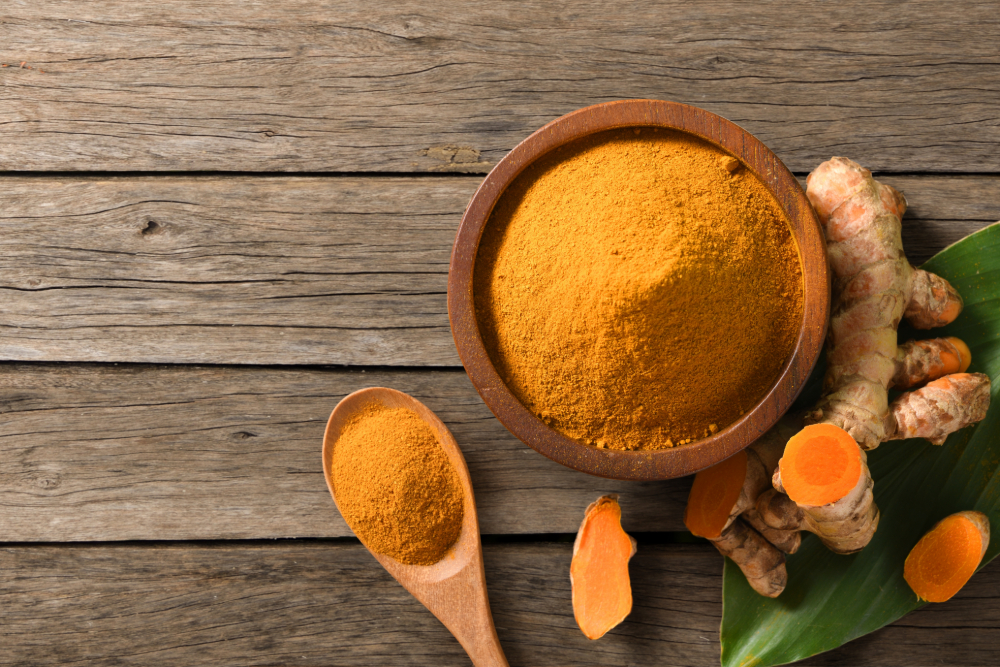
Curcumin is the compound in turmeric responsible for its bright yellow color and potential health benefits.
It's widely studied for its anti-inflammatory and antioxidant properties, which might help combat disease.
Also read: This Happens to Your Liver When You Drink Coffee Every Day
Shows promise against multiple cancer types

Studies suggest that curcumin can fight cancer cells from various types of cancer, including lung, breast, prostate, and colon.
However, these findings mostly come from cell or animal studies, not human trials.
May enhance chemotherapy effectiveness

Some research indicates curcumin could make chemotherapy more effective.
In certain cases of advanced pancreatic or colorectal cancer, curcumin may help cancer cells become more responsive to treatment.
Also read: The Most Overlooked Trick for Women's Pain Relief? It’s on Your Leg
Slows progression in colorectal cancer

A study involving people with colorectal cancer found that daily curcumin intake could help slow the disease's progression.
This positions turmeric as a potentially valuable addition to cancer treatment plans.
Possible preventative effect for high-risk individuals

Other research suggests curcumin might lower the risk of developing cancer in people with elevated risk levels.
This makes it a candidate for future preventative treatments, though more evidence is needed.
Also read: Drink Your Way to a Healthy Liver Using Only Ingredients from Home
Mixed results from clinical trials

While some clinical studies in humans have shown encouraging results, the overall evidence is still inconclusive.
Most available data come from early-stage or small-scale trials, so large-scale studies are required.
Relief for treatment side effects

One study found that a turmeric-based mouth rinse helped relieve painful mouth sores in patients undergoing radiotherapy for head and neck cancers.
This suggests turmeric might ease certain treatment-related symptoms.
Also read: Why Danes Sleep Better Than You – and How You Can Do the Same
No benefit for radiation-related skin issues

In contrast, another study found turmeric had no effect on skin problems or pain in breast cancer patients receiving radiation therapy.
So its benefits may not be universal across symptoms.
Poor absorption in the human body
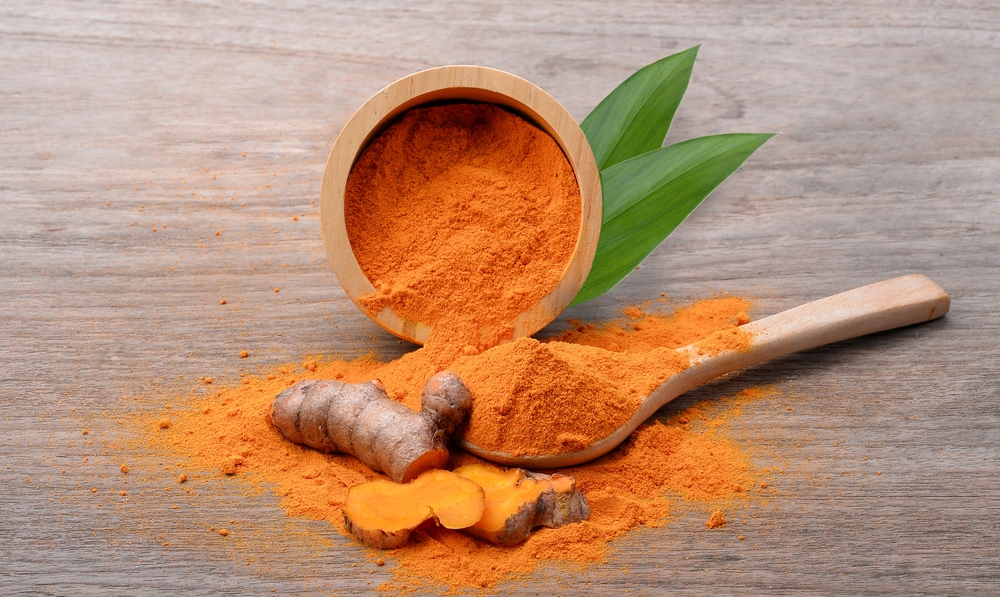
One major limitation is that curcumin isn’t easily absorbed by the body.
Most of it passes through the digestive system without being fully utilized, which may limit its effectiveness unless specially formulated.
Also read: Here’s the Optimal Time of Day to Take a Shower
Generally safe, but with caveats

Turmeric is safe for cooking and typically causes few side effects.
However, high doses may lead to stomach upset, and curcumin could interfere with certain cancer medications.
Always consult a doctor before starting supplements, especially during cancer treatment.
This article is based on information from WebMD.
This article is made and published by Ida-Marie Palm Varbæk, who may have used AI in the preparation.