
A pinch of spice can transform a dish, but health experts warn that three common kitchen staples may interfere with the effectiveness of life-saving medicines.
The risk is particularly high when consumed in large amounts or as supplements.
Cinnamon
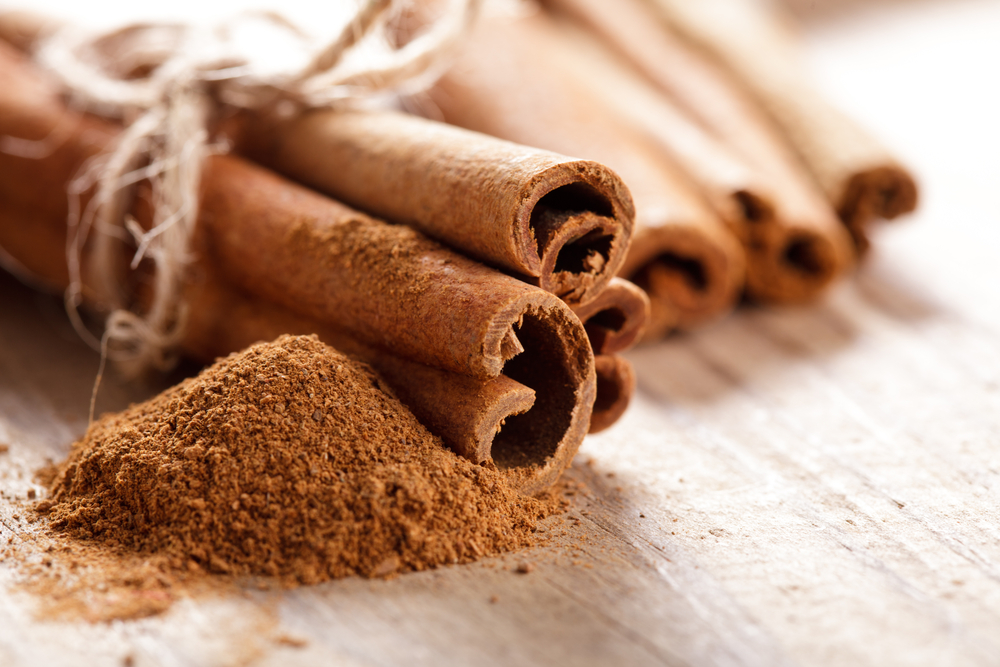
Cinnamon contains compounds such as cinnamaldehyde, eugenol, and coumarin, which can affect how the body metabolizes drugs.
Laboratory studies show that cinnamaldehyde may accelerate the breakdown of medicines, reducing their effectiveness.
Also read: When Should You Use Heat or Cold for Pain?
Different types of cinnamon
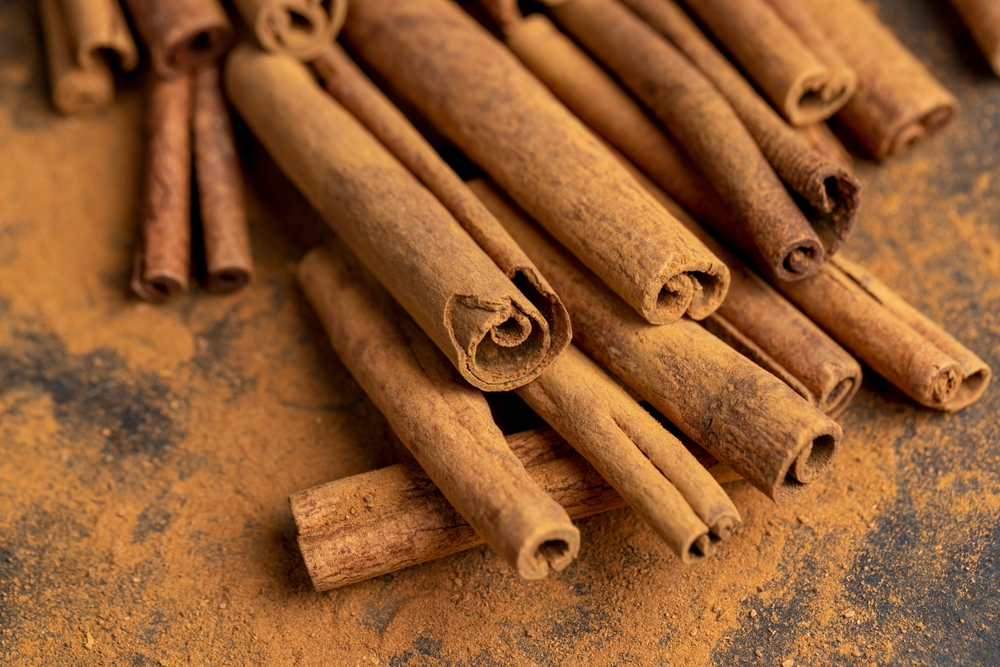
Cassia cinnamon, widely sold in supermarkets, has a high coumarin content and a greater risk of interacting with blood-thinning drugs.
In contrast, Ceylon or “true” cinnamon from Sri Lanka contains less coumarin and carries a lower risk.
Risk of bleeding

Coumarin in cinnamon can amplify the effects of anticoagulants like warfarin, increasing the risk of bleeding.
There have been case reports of cinnamon supplements worsening this side effect.
Also read: Doctors Reveal: Common Sleep Symptom May Indicate Cancer
Cinnamon and chronic conditions

People with chronic diseases such as high blood pressure, diabetes, cancer, or depression should be especially cautious with cinnamon supplements and consult a doctor before use.
Turmeric
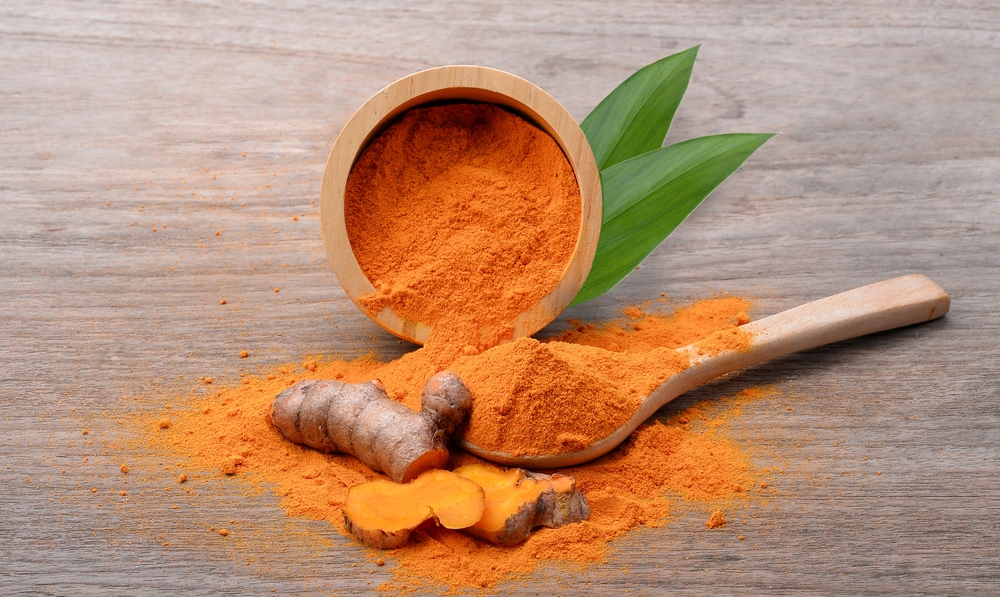
Turmeric, the bright yellow spice found in curries, may also interfere with how the liver metabolizes certain medications.
Curcumin, its active compound, can alter the way the body processes antidepressants, blood pressure medication, antibiotics, and chemotherapy drugs.
Turmeric and blood thinning
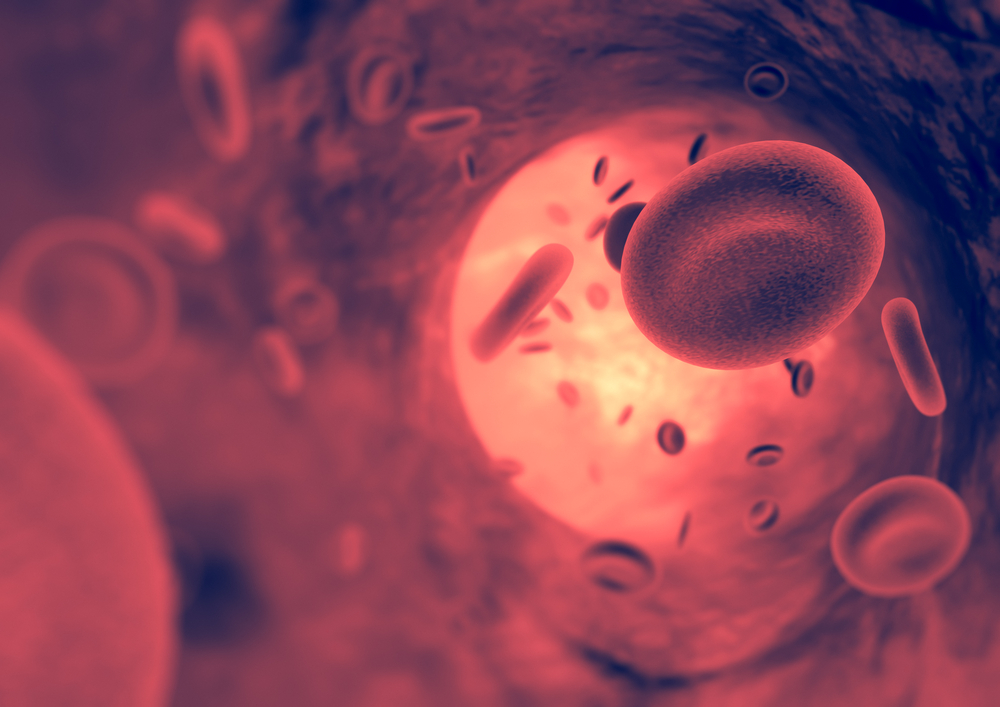
Like cinnamon, turmeric has natural blood-thinning properties.
Also read: Supplements and Medications You Should Not Mix with Apple Cider Vinegar
Combined with medications such as aspirin or warfarin, it could heighten the risk of dangerous bleeding.
Turmeric and blood sugar

Studies suggest turmeric may lower blood sugar. For those on insulin or diabetes medications, this could increase the risk of hypoglycemia.
Turmeric and blood pressure
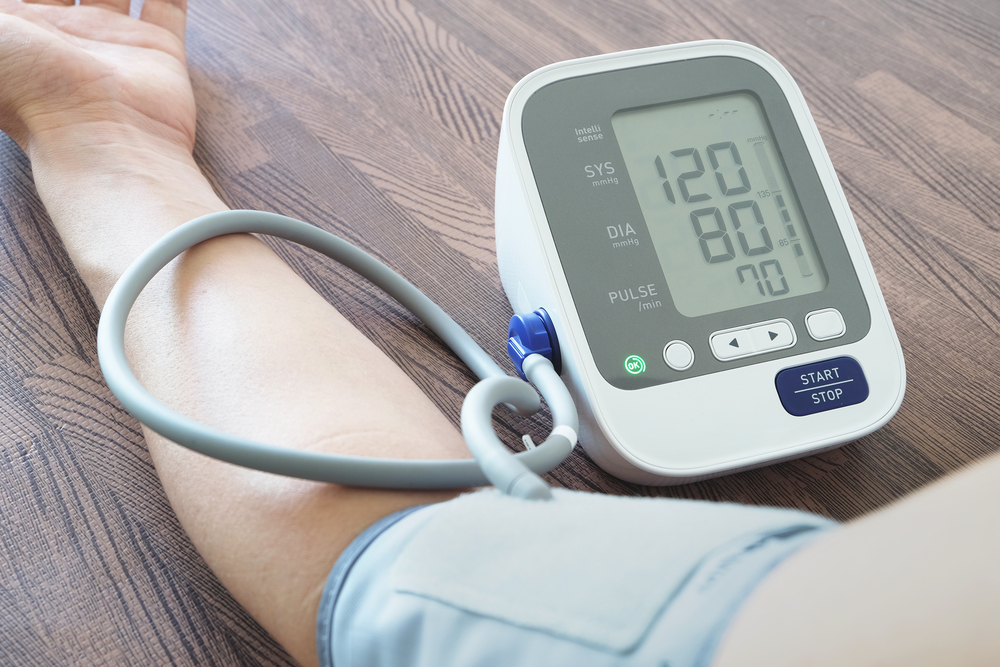
The spice may also reduce blood pressure, which in combination with prescribed blood pressure drugs, could cause levels to drop too low.
Ginger
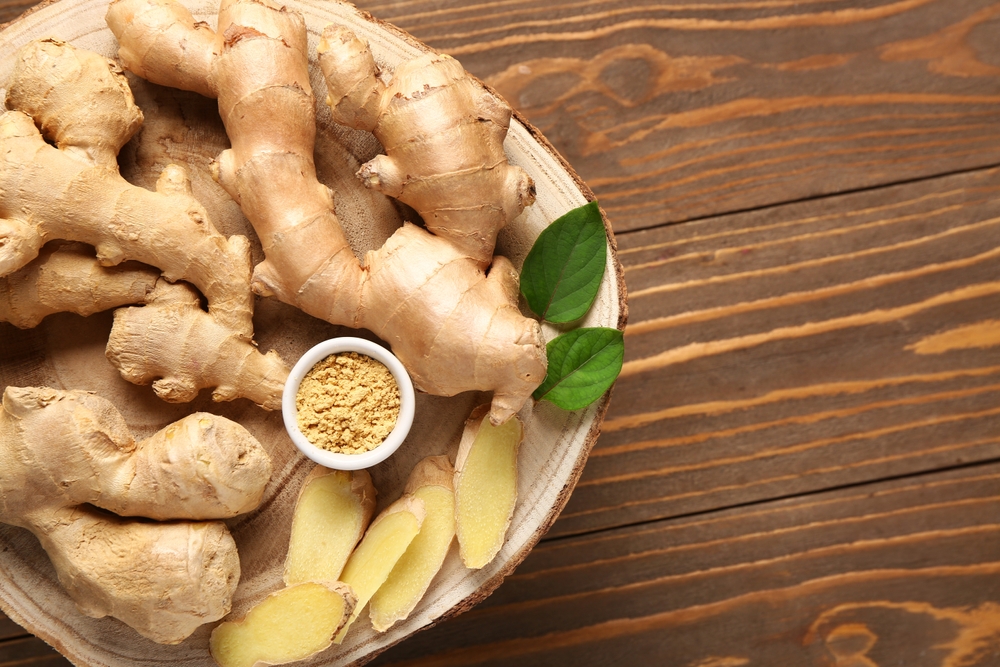
Ginger contains active compounds such as gingerol that may interact with certain medications.
Also read: What You Need to Know About the New COVID Variants “Nimbus” and “Stratus”
It can act as a mild anticoagulant, making it risky when taken with blood-thinning drugs.
Ginger and diabetes
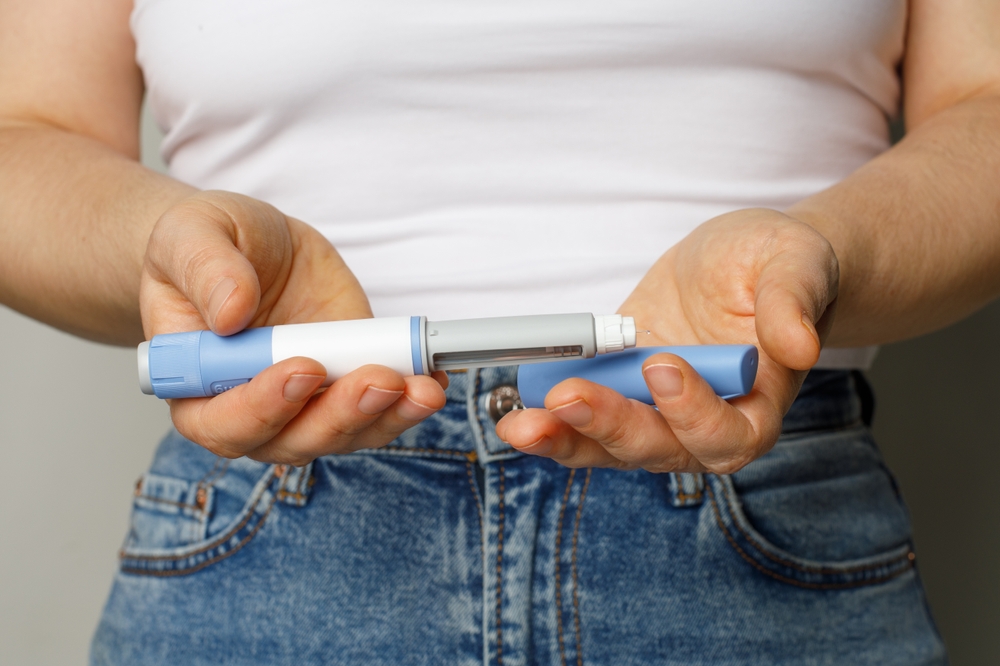
Some studies indicate ginger may lower blood sugar, though research remains inconclusive.
This uncertainty poses potential risks for those already taking diabetes medications.
High doses are the real concern
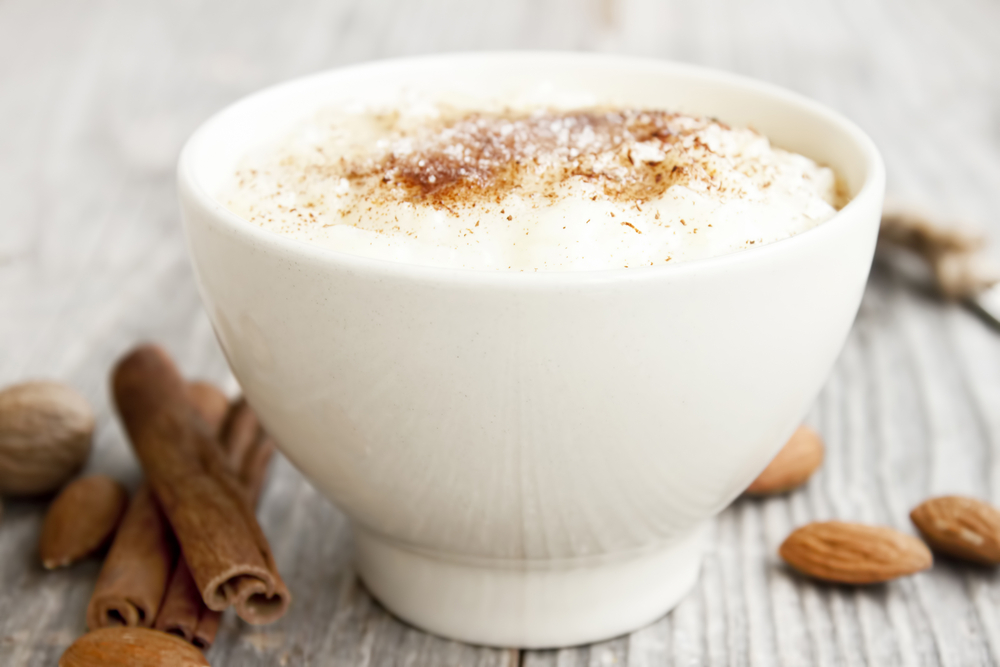
Experts emphasize that adverse effects are most often linked to supplements or high doses.
Also read: Migraine Symptoms That Require Urgent Care
Small amounts used in everyday cooking, such as a sprinkle of cinnamon on porridge, are generally safe.
Expert advice
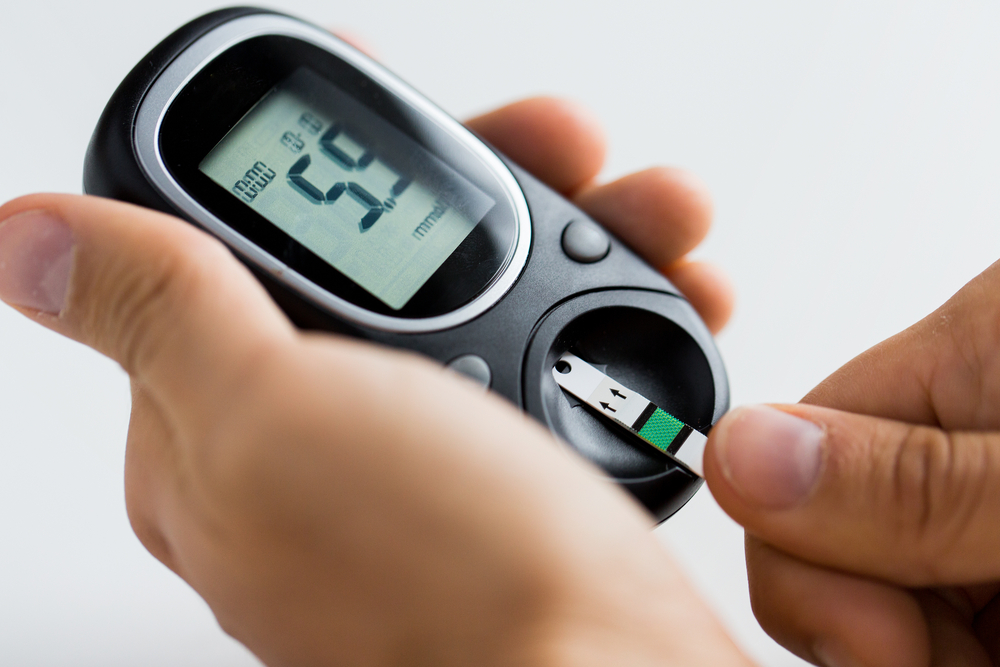
Patients on blood thinners, diabetes treatments, or chemotherapy should always consult their doctor or pharmacist before taking supplements containing cinnamon, turmeric, or ginger.
This article is based on information from The Sun.
This article is made and published by Ida-Marie Palm Varbæk, who may have used AI in the preparation.