
Managing blood sugar doesn’t have to be complicated or expensive. The freezer aisle can actually be your best ally—full of affordable, long-lasting foods that make it easier to stay on track. Here are 10 frozen staples that can help keep your blood sugar steady.
Frozen Spinach
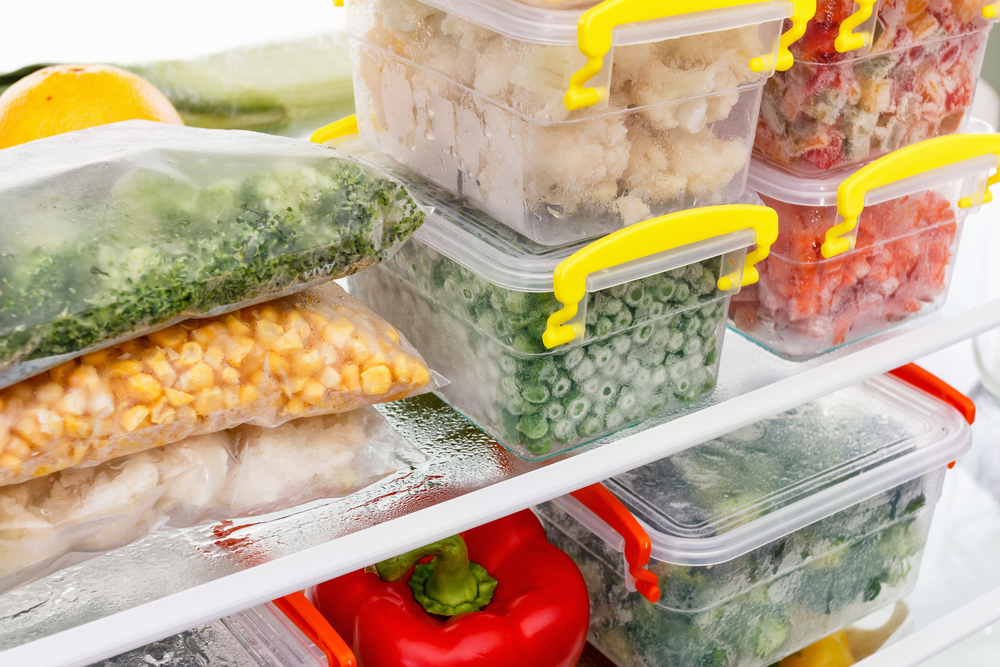
Loaded with fiber and minerals, frozen spinach is easy to toss into pasta, omelets, or soups. Since it shrinks less than fresh when cooked, you end up eating more nutrients per serving.
Frozen Berries
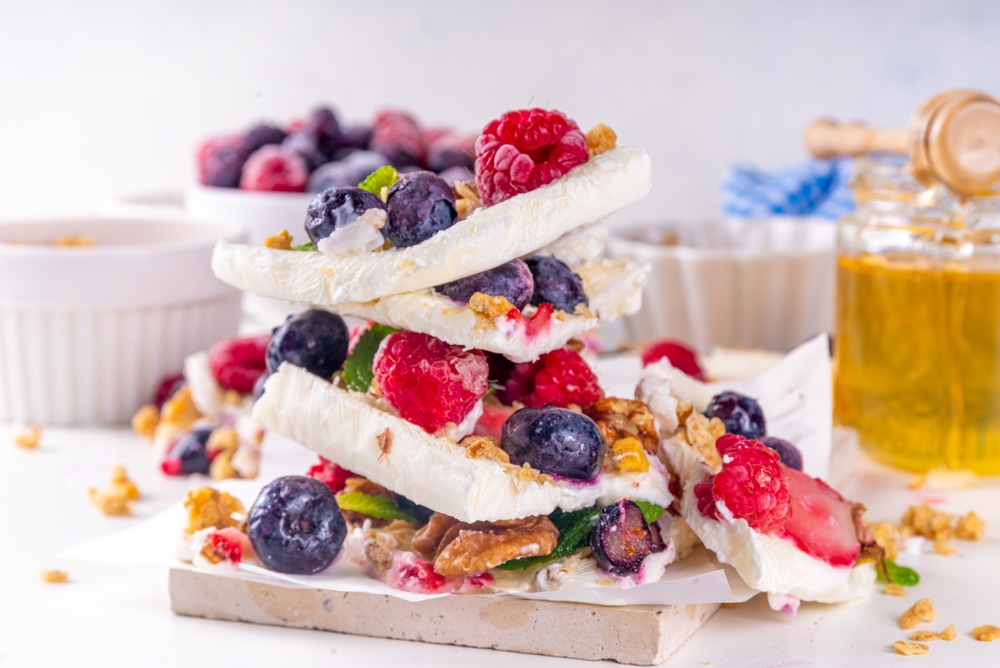
Naturally sweet and rich in antioxidants, frozen berries deliver fiber that helps slow sugar absorption. They’re perfect for smoothies, yogurt bowls, or a quick dessert topping.
Frozen Shrimp
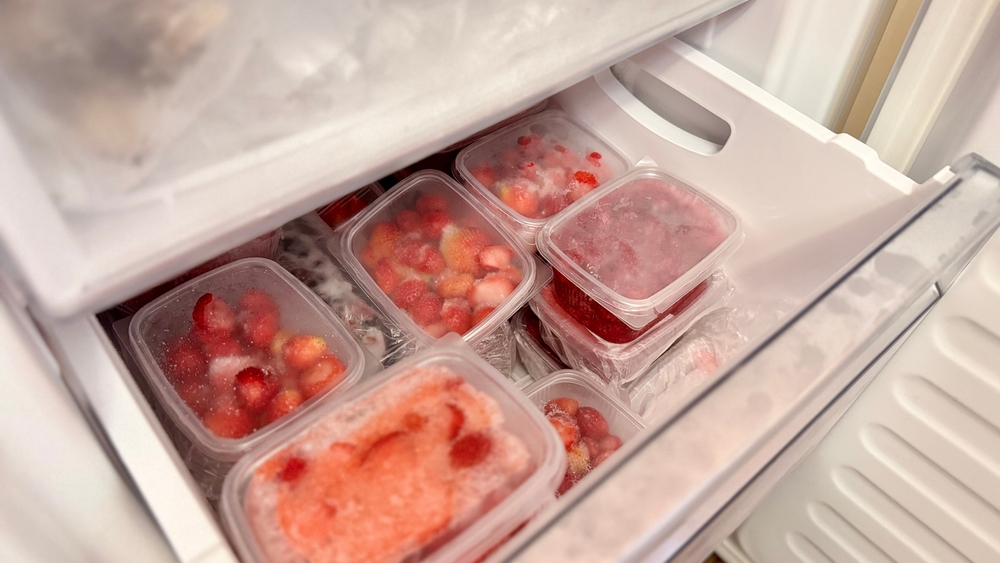
Fast to defrost and cook, shrimp add a big protein boost without carbs. Pair with veggies or whole grains for a quick, blood-sugar-friendly dinner.
Also read: Consuming Artificial Sweeteners May Speed Up Brain Decline by 62 Percent
Cauliflower Rice
This grain alternative is low in carbs and high in fiber, making it a smart swap for rice or pasta. Use it in stir-fries, burrito bowls, or as a side for curries.
Frozen Kale
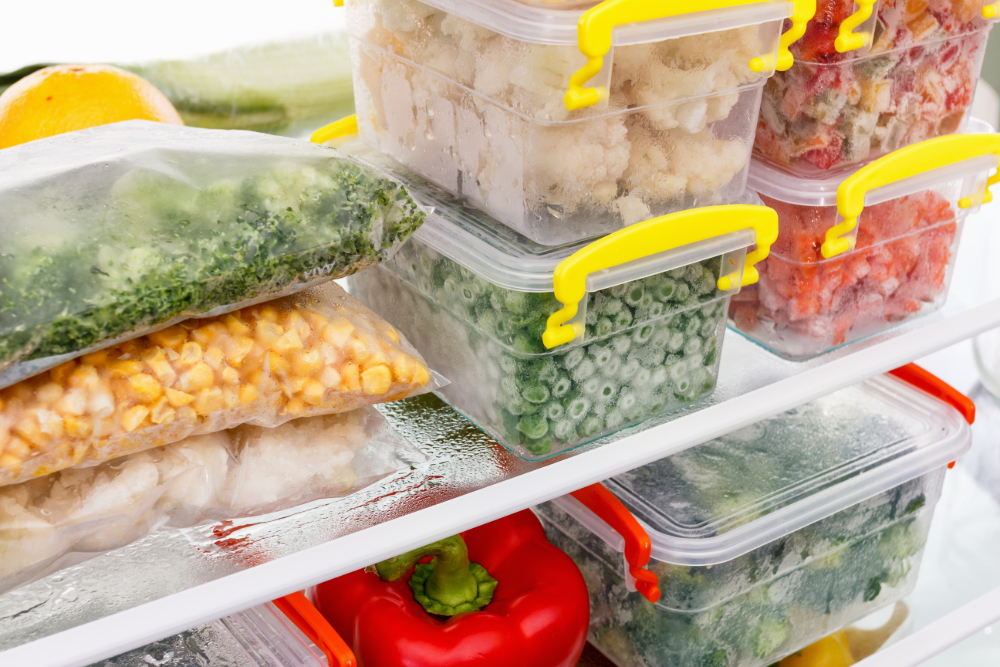
Rich in antioxidants like quercetin, frozen kale may support better insulin sensitivity. It’s versatile in stews, quiches, and even smoothies.
Frozen Avocado
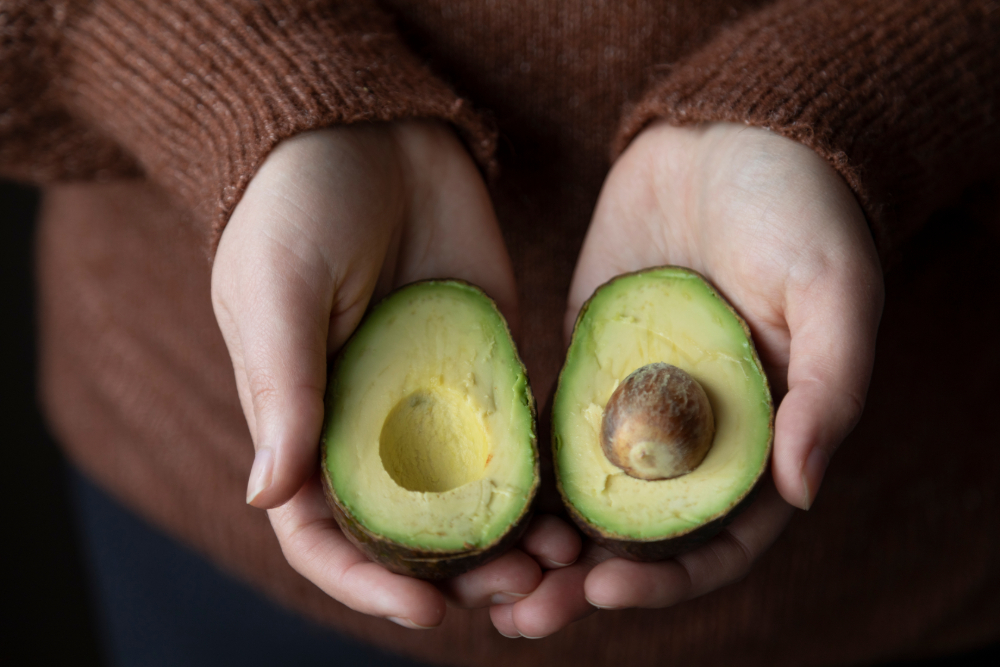
Pre-cut cubes of avocado save time and prevent food waste. They’re full of healthy fats and fiber that help keep blood sugar levels stable.
Frozen Corn
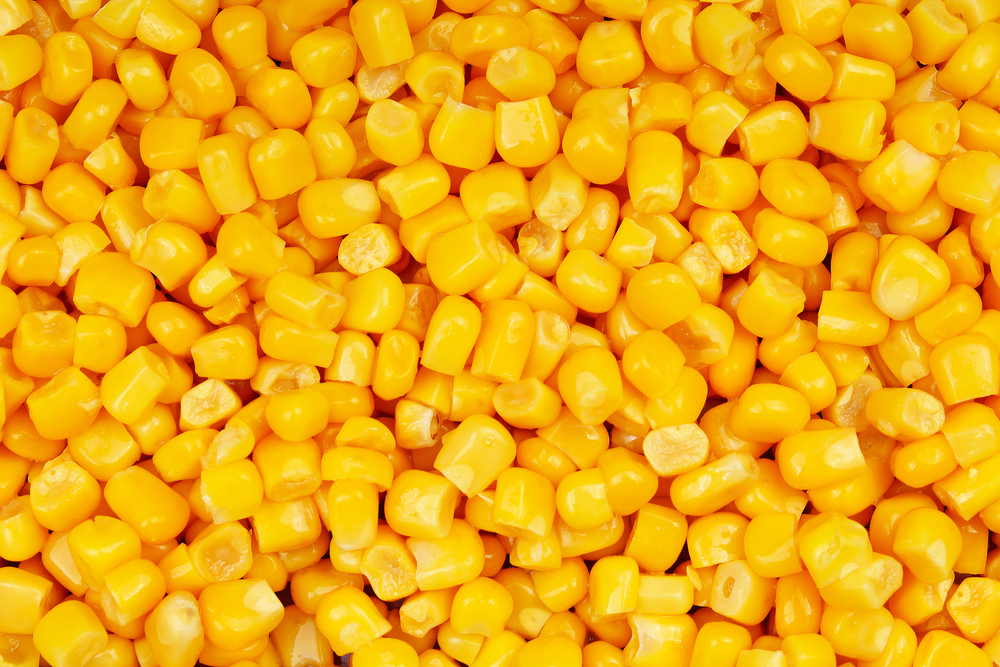
Though slightly higher in carbs, corn offers fiber and works well as part of a balanced meal. It brings natural sweetness to salads, soups, and grain bowls.
Also read: New Study: Your Favorite Drinks May Be Causing Hair Loss
Shelled Edamame

This plant-based protein is high in both protein and fiber, making it filling and gentle on blood sugar. Toss it into salads, stir-fries, or enjoy as a snack.
Frozen Fish
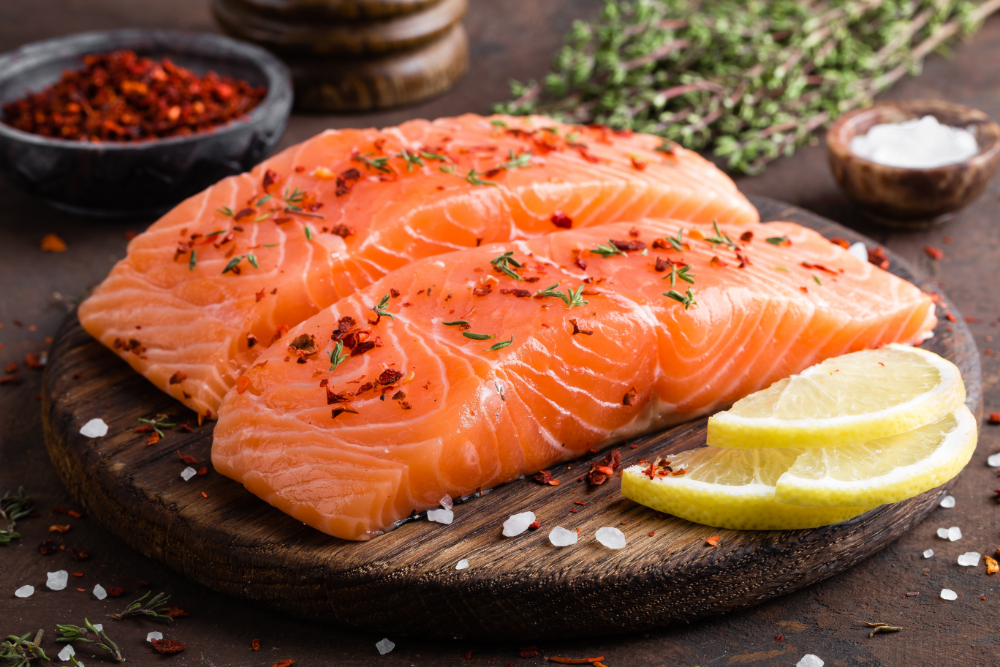
Salmon, cod, and other fish are excellent sources of lean protein and omega-3 fats. They’re quick to prepare and support steady energy levels.
Frozen Broccoli
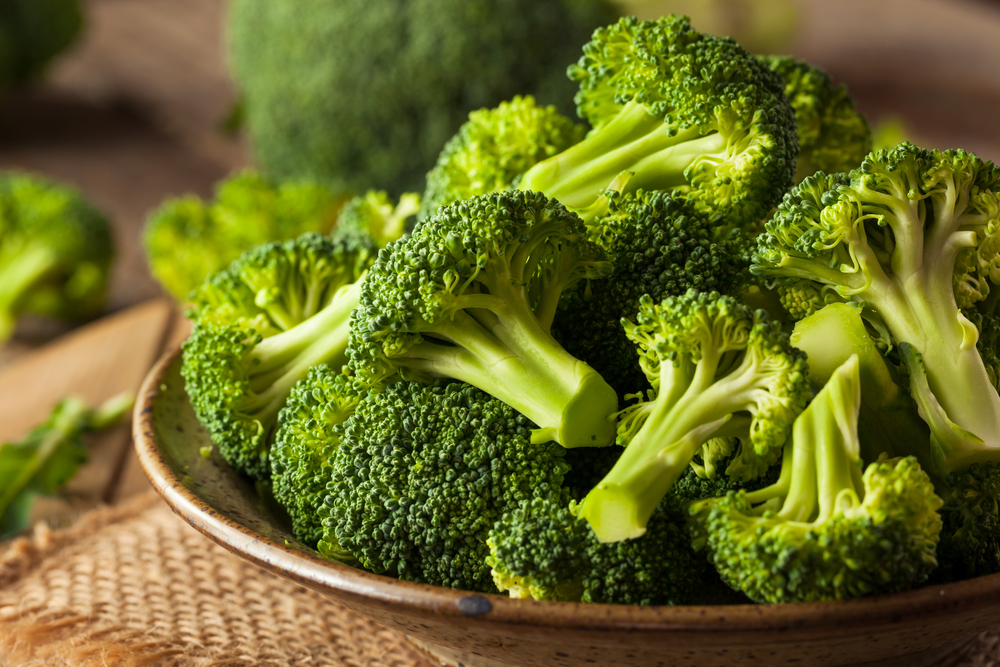
Packed with sulforaphane and fiber, broccoli is one of the easiest frozen veggies to add to your plate. Roast, air-fry, or stir into soups for a quick side.
Artiklen er baseret på informationer fra EatingWell
Also read: This Is The Only Safe Way to Get Rid of Tartar
Also read: Do This Every Morning for a Week to Boost Your Immune System
This article is made and published by Mie Hermansen, who may have used AI in the preparation.