
Salt is often associated with excessive intake, but sodium is also essential for several basic functions in the body. For some people, low sodium levels can cause noticeable symptoms and make it important to pay closer attention to their diet.
Too little sodium can cause noticeable symptoms, and some people are at greater risk of not getting enough than others, reports Yahoo Creators.
Your body needs sodium every day
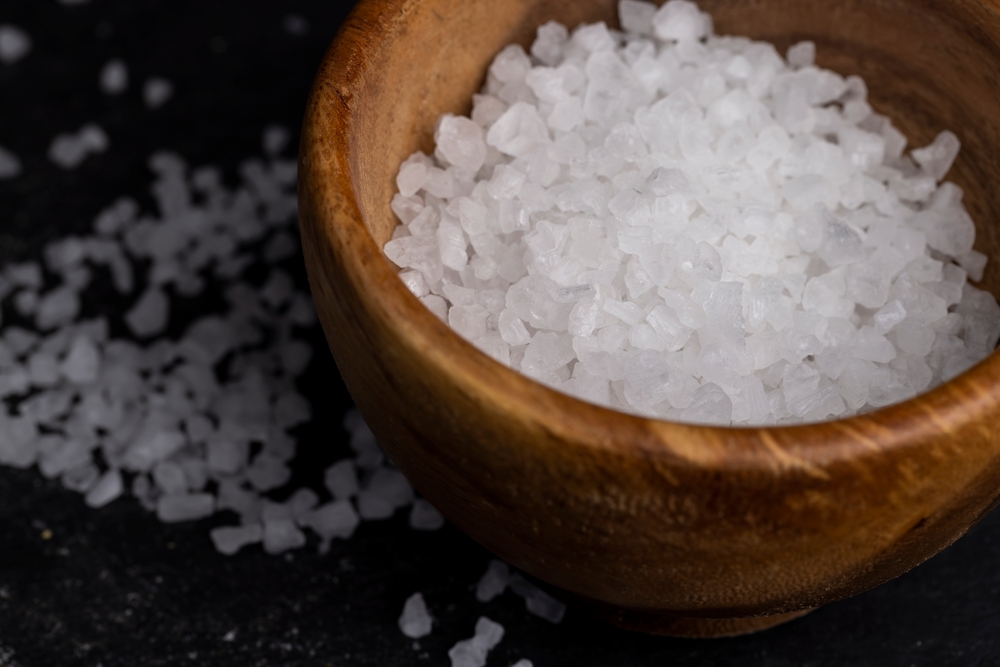
Sodium helps regulate fluid balance and also plays an important role in normal muscle and nerve function. Without enough sodium, several of the body's normal processes can be affected.
Headaches and fatigue can be signs

According to the article, low sodium intake may be associated with symptoms including headaches, fatigue, weakness, muscle cramps and salt cravings.
Also read: After 50, your muscles may need up to 50% more protein than you're getting
Dehydration can reveal an imbalance

Dry mouth, dark urine, infrequent urination, dizziness when standing and abdominal cramps can indicate an imbalance between fluids and electrolytes.
Very low levels can lead to hyponatremia

Hyponatremia occurs when sodium levels in the blood fall below the normal range. In severe cases, it can cause symptoms including nausea, vomiting, dizziness, weakness and muscle cramps.
Most people still consume too much salt
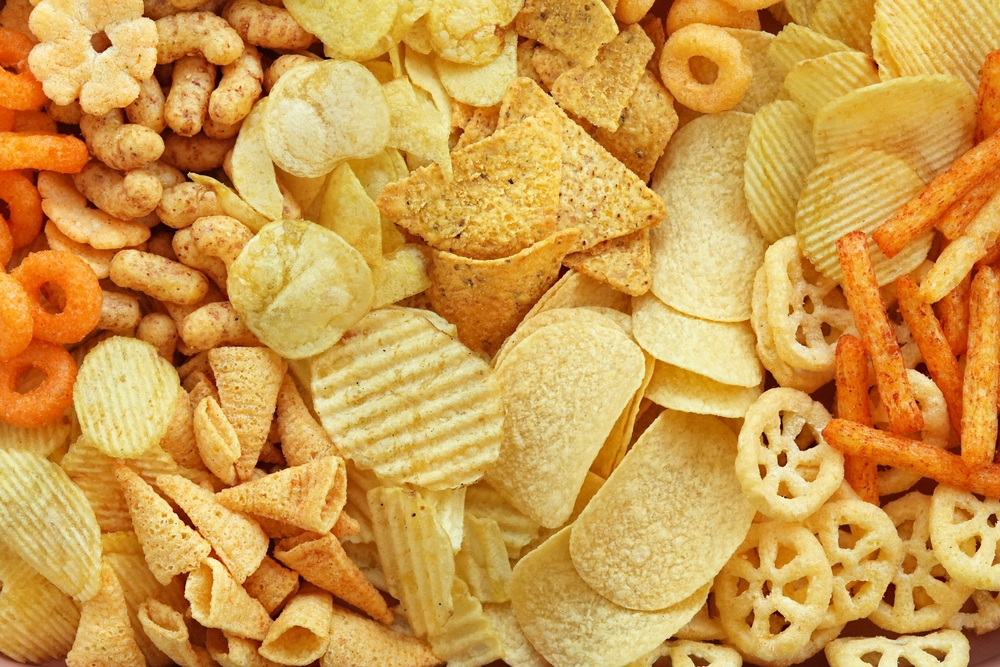
The article emphasizes that most Americans are not short on sodium. Around nine in ten actually consume too much, with much of it coming from packaged foods and restaurant meals.
Keto diets can increase sodium loss

When insulin levels drop on a ketogenic diet, the body may excrete more sodium through urine. Increased fluid loss can also result in the loss of other electrolytes.
Also read: Your bird feeder could be helping bird flu spread
Heavy sweating can change your needs

People who exercise frequently, sweat heavily or work in hot environments may lose more sodium than others and may therefore need to replace what they lose.
Diarrhea can deplete electrolytes

During diarrhea, contents move rapidly through the digestive tract, causing the body to lose both fluids and sodium. This can increase the risk of dehydration.
Colon surgery can affect sodium absorption

The colon plays a role in absorbing sodium. People who have had all or part of their colon removed may therefore need to have their sodium intake assessed.
Cystic fibrosis can cause greater salt loss

People with cystic fibrosis often lose more sodium through sweat. As a result, some patients may require additional sodium chloride.
Also read: How to take control of your alcohol habits after the holidays
Sodium is found in many common foods

Eggs, shrimp, chicken, celery, beets and milk naturally contain sodium. Cottage cheese, nuts, nut butters and canned foods can also contribute to sodium intake.
Electrolyte drinks may help in some cases

Oral rehydration solutions and electrolyte mixes can help restore the balance between fluids and electrolytes. The article also recommends being mindful of sports drinks that contain large amounts of added sugar.
Also read: A bowl of blueberries a day: safe for most, tricky for three specific groups
This article is made and published by Mie Hermansen, who may have used AI in the preparation.