
A recent study has brought promising news for anyone struggling with intermittent fasting.
By simply changing one habit twice a week, you might reap the same fat-burning benefits - without ever skipping a meal.
Low-carb days mimic fasting effects

Researchers found that cutting carbs significantly - even for just one day - can push the body into fat-burning mode much like fasting does.
One day is enough to make a difference

The study revealed that metabolic changes start occurring after just one day of either calorie restriction or a low-carb diet, showing quick and noticeable effects.
Also read: This Happens to Your Liver When You Drink Coffee Every Day
Fat becomes the new fuel
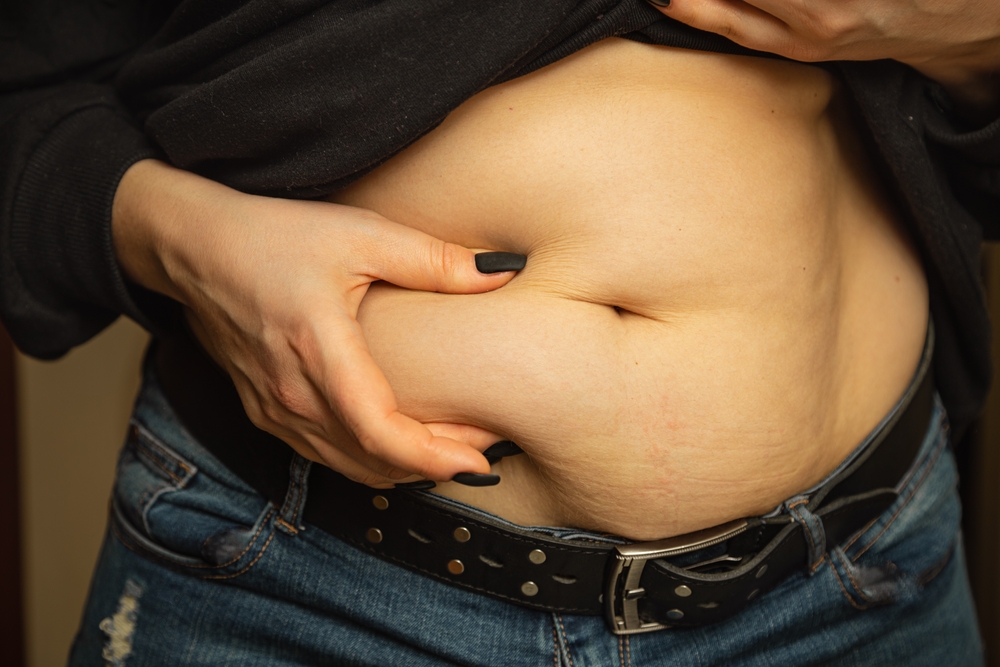
By eliminating carbohydrates from your meals, the body is forced to source its energy from stored fat, accelerating fat metabolism.
Fasting and low-carb diets work similarly

When participants resumed normal eating with a calorie-rich meal, their bodies reacted nearly identically whether they had fasted or followed a low-carb diet the day before.
English breakfast

To measure the impact, participants were given a fatty and sugary meal - classic English breakfast style - after their restricted days, allowing researchers to track metabolic performance.
Just two days a week is enough

Instead of full-time dieting, the method only requires strict changes twice a week, making it far more manageable and sustainable than traditional fasting.
Also read: The Most Overlooked Trick for Women's Pain Relief? It’s on Your Leg
Stable blood sugar after big meals
Participants didn’t experience sugar crashes or insulin spikes after their indulgent meals, suggesting improved metabolic stability and resilience.
Low-carb is easier than total fasting

Skipping carbs is more approachable for many than complete food abstinence - making it a gentler and more hunger-free alternative to fasting.
It’s about more than weight loss
The research focused on how the body processes fat rather than just shedding pounds - highlighting a broader impact on long-term health.
Not suitable for everyone

Despite the encouraging results, experts caution that this method isn’t for people without weight issues, as it could promote unhealthy attitudes toward carbs.
Also read: Drink Your Way to a Healthy Liver Using Only Ingredients from Home
This article is based on information from Ladbible.com.
Also read: Why Danes Sleep Better Than You – and How You Can Do the Same
This article is made and published by Ida-Marie Palm Varbæk, who may have used AI in the preparation.