
Diet soda can seem like a smarter choice than regular soft drinks, but drinking it every day may affect more than just your calorie intake. According to Eat This, Not That!, research highlights several ways it can influence both your body and your habits over time.
Daily intake can have unintended effects

Drinking diet soda every day, especially multiple cans, may have negative consequences for some people. While it contains no sugar, regular consumption can still influence how the body responds over time.
It starts with what’s inside the drink

Diet soda contains artificial sweeteners like aspartame, along with ingredients such as phosphoric acid, caffeine, and caramel coloring that shape its taste and shelf life.
Approved ingredients don’t equal health benefits
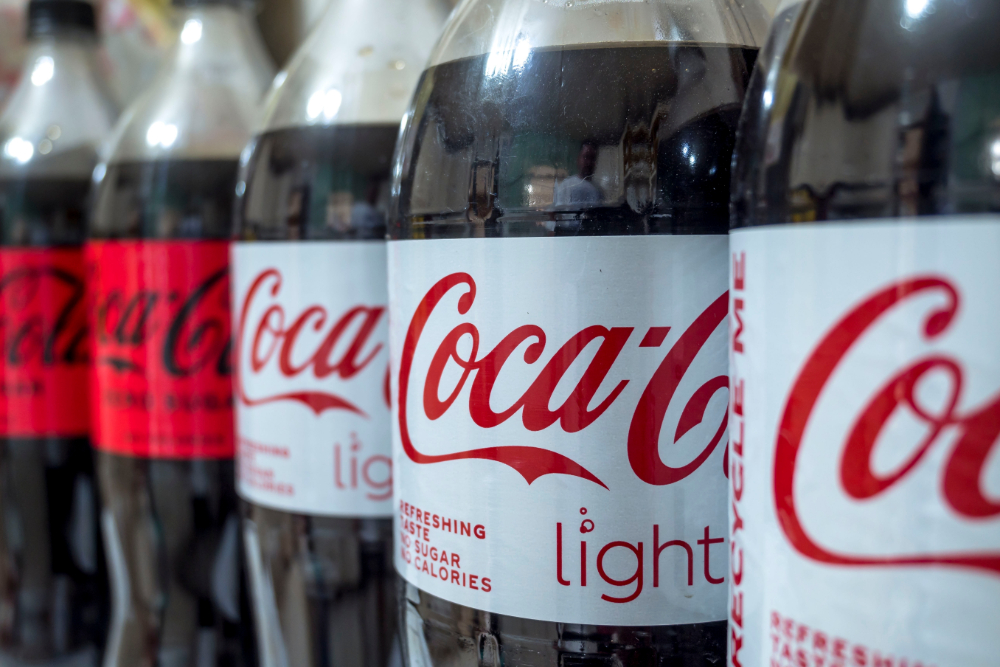
Although these components are considered safe within recommended limits, that does not necessarily mean they support long term health when consumed daily.
Also read: Researchers find new indicator of death within 24 hours
It can shift your taste preferences

Over time, artificially sweetened drinks may alter how you perceive sweetness. This can make you more likely to crave sugary foods throughout the day.
Cravings may lead to more calories overall

As cravings for sweet foods increase, total calorie intake may rise as well, meaning a zero calorie drink could indirectly contribute to higher energy consumption.
Your gut may also be affected

Some research suggests that frequent intake may influence the balance of bacteria in the gut, which plays a role in overall health.
Blood sugar responses could change

There are indications that artificial sweeteners may impact how the body regulates blood sugar, although the exact relationship is still being studied.
Also read: Researchers explore vitamin D’s role in breast cancer treatment
Possible links to metabolic health

Higher consumption has been associated in some studies with an increased risk of metabolic issues, though lifestyle factors may also play a role.
The science is still evolving
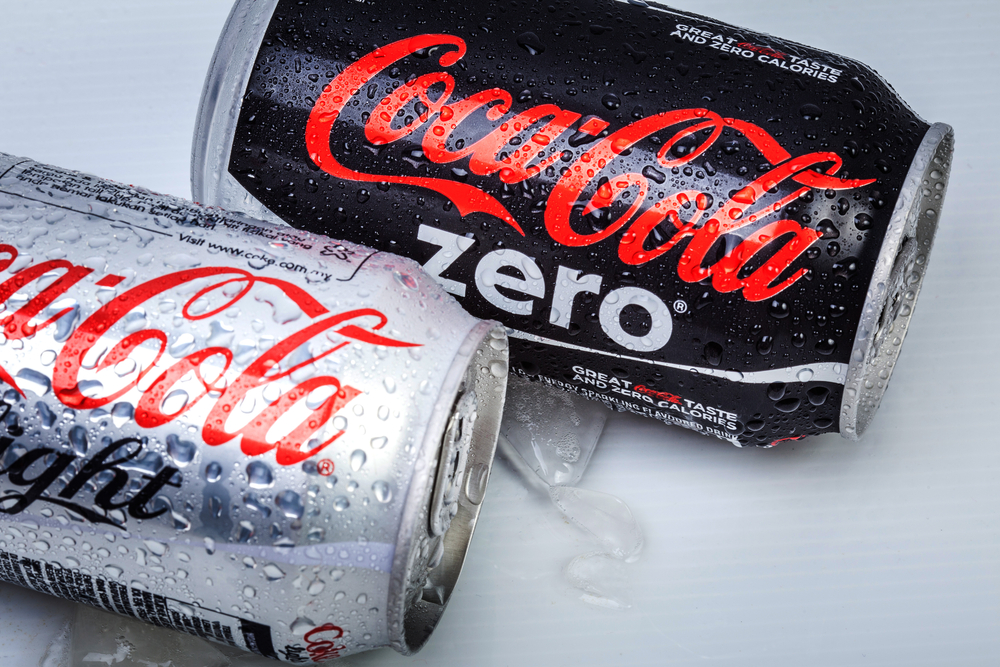
Many of these findings are not yet fully understood, and more research is needed to determine clear cause and effect relationships.
Caffeine can build up during the day
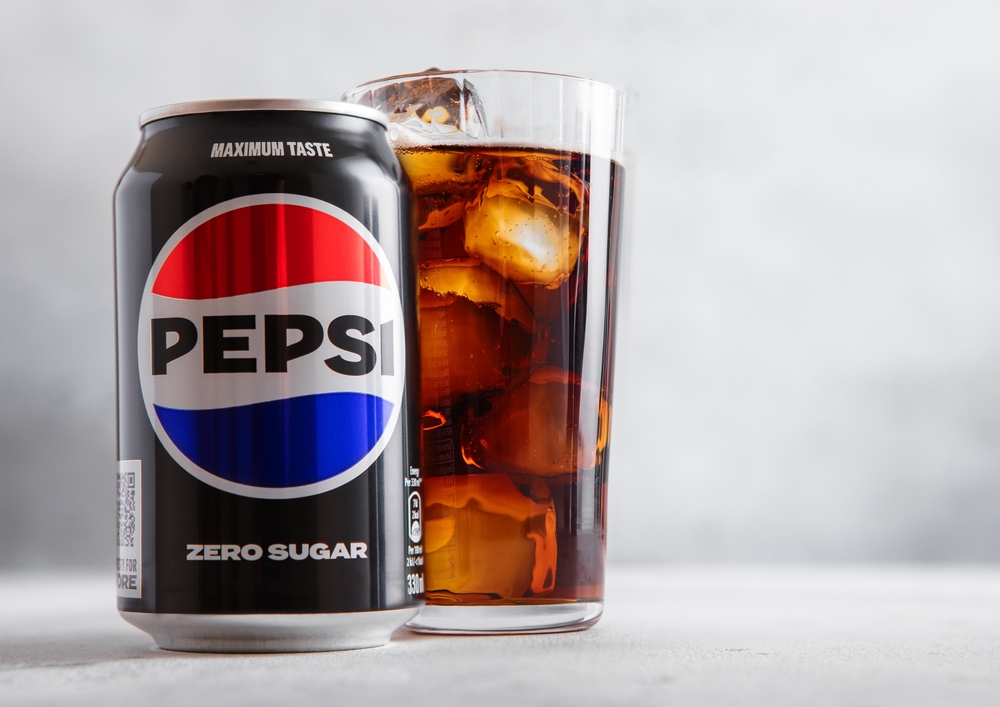
Because diet soda contains caffeine, drinking several cans may affect sleep quality or increase feelings of restlessness in sensitive individuals.
Acidity may take a toll on teeth
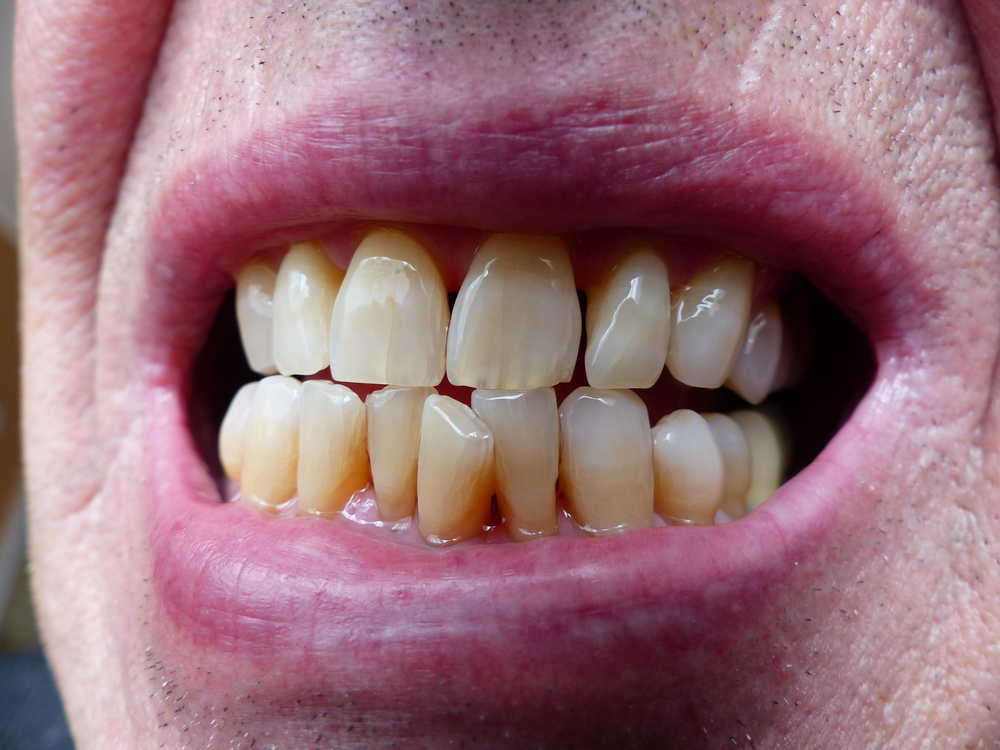
The acidic nature of the drink can gradually wear down tooth enamel, which may increase the risk of dental problems over time.
Also read: Scientists develop film that breaks down viruses
Moderation and alternatives matter

Experts recommend limiting daily intake and choosing water, sparkling water, or other unsweetened drinks for regular hydration, especially if consumption has become a daily habit.
Also read: How almonds affect your blood pressure if you eat them every day
This article is made and published by Mie Hermansen, who may have used AI in the preparation.