
Many people ask their doctor whether medications can be taken together, but fewer consider that food and drinks can also play a role.
Certain common foods can change how the body absorbs or breaks down prescription medications, according to AARP.
Grapefruit and statins
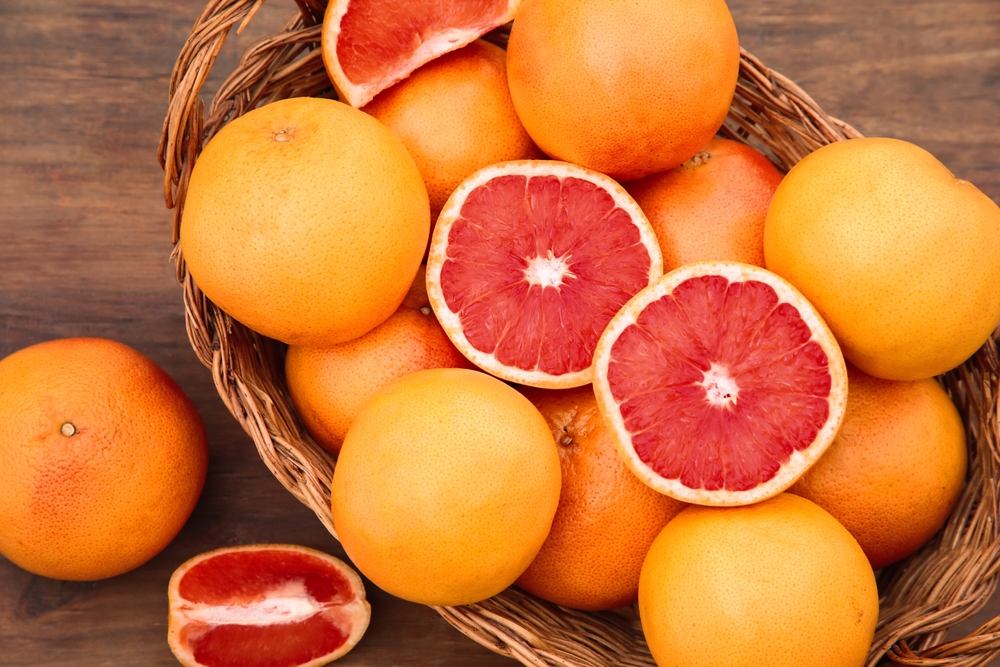
Grapefruit and grapefruit juice can affect the breakdown of several cholesterol-lowering statins.
This can lead to higher concentrations of the medication in the bloodstream.
Also read: New research: Two people can absorb different numbers of calories from the same food
Dairy products and antibiotics
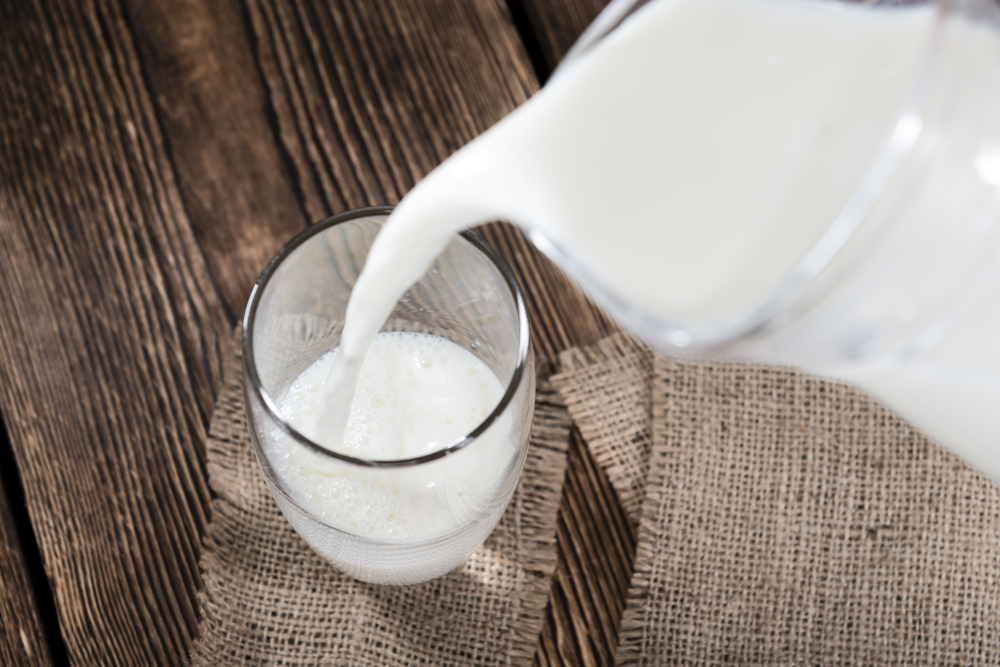
Milk, cheese, and yogurt contain calcium, which can make it more difficult for the body to absorb certain antibiotics such as doxycycline, minocycline, and ciprofloxacin. This may reduce the treatment’s effectiveness against infections.
Tyramine-rich foods

Smoked and cured meats, aged cheeses, fermented foods, soy products, and very ripe bananas contain tyramine.
These foods can cause problems for people who use MAO inhibitors.
Risk of high blood pressure

The combination of MAO inhibitors and tyramine can cause blood pressure to rise suddenly and significantly.
Also read: Why most people struggle to stick with exercise
For this reason, it is often recommended to avoid these foods during treatment.
Licorice and prescription medications
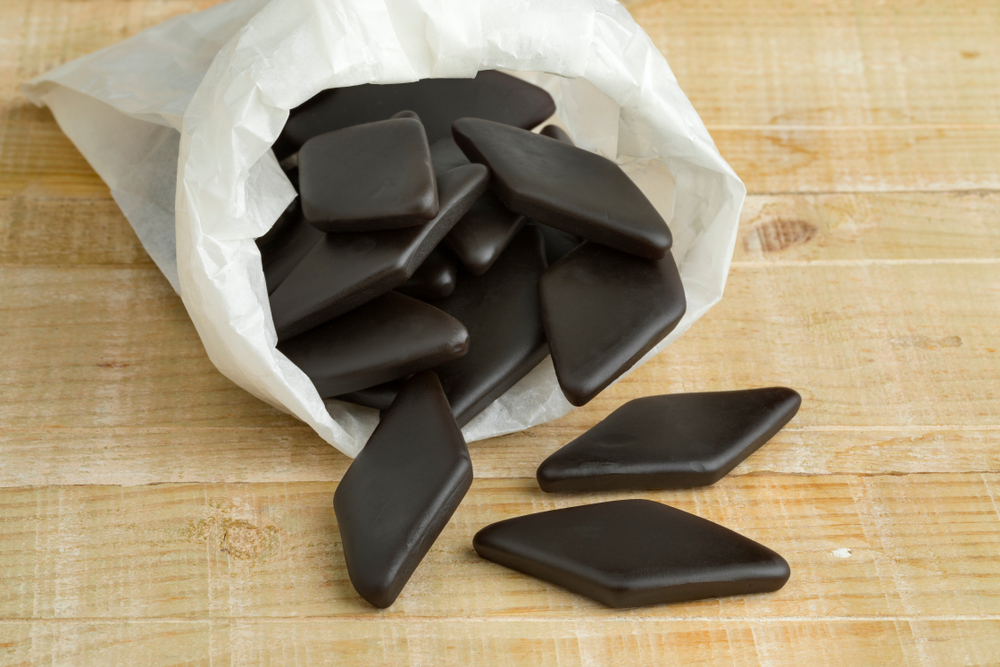
Black licorice contains glycyrrhizin, a compound that can affect blood pressure and heart rhythm.
Licorice may also worsen side effects associated with medications such as blood pressure drugs, blood thinners, and MAO inhibitors.
Potassium-rich foods and ACE inhibitors
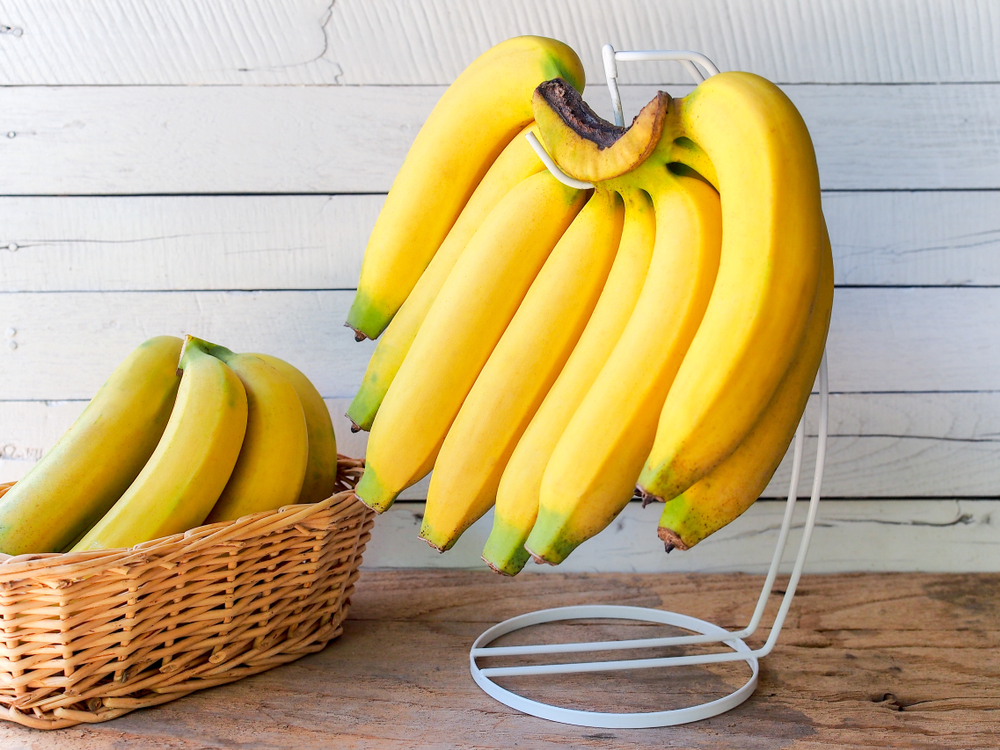
Bananas, avocados, tomatoes, and dried apricots are rich in potassium.
Also read: How to treat your sunburned skin properly
When combined with certain ACE inhibitors used to treat high blood pressure, they can increase potassium levels in the body.
Effects on the heart
Excessive potassium levels can, in some cases, lead to irregular heart rhythms.
As a result, limiting large amounts of potassium-rich foods is often recommended.
Fruit juice and medication
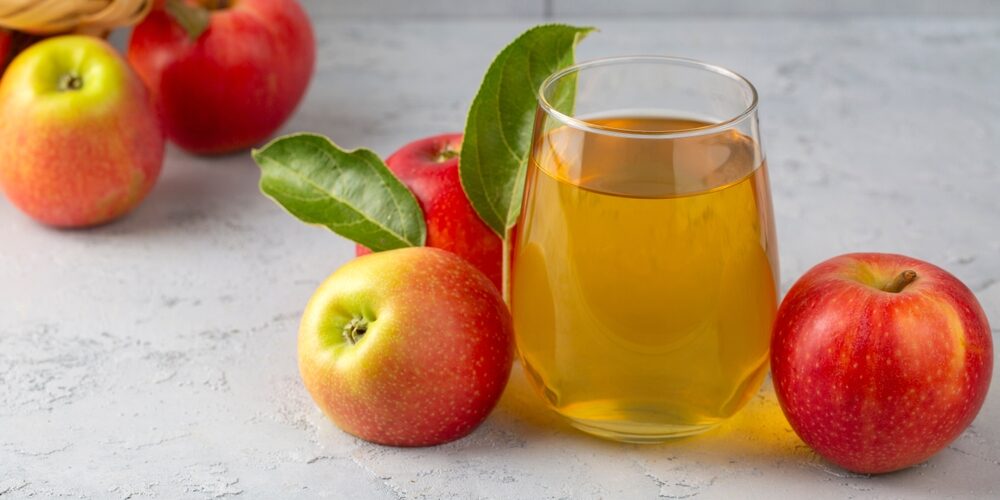
Apple juice, orange juice, and grapefruit juice can affect the effectiveness of certain blood pressure medications.
Also read: Tap water or bottled water? This is the difference for your health
Some of these beverages can reduce the amount of medication absorbed by the body.
Allergy medications can also be affected

Acidic juices may also reduce the absorption of antihistamines such as fexofenadine.
This can make the medication less effective in controlling allergy symptoms.
High-fiber diets and medications
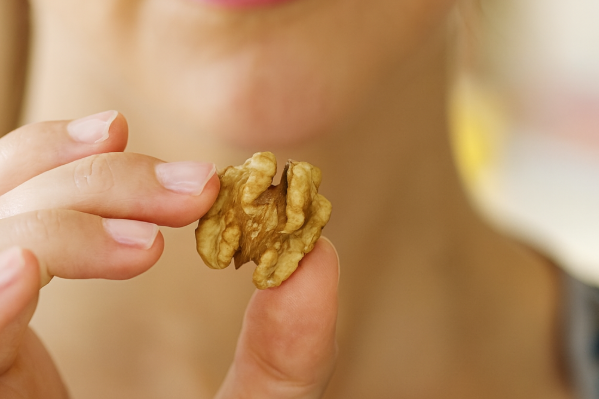
Foods high in fiber, including walnuts and products made with soy flour, can make it more difficult for the body to properly absorb levothyroxine and digoxin.
Also read: Your bedroom mirror could be ruining your sleep
Green vegetables and warfarin
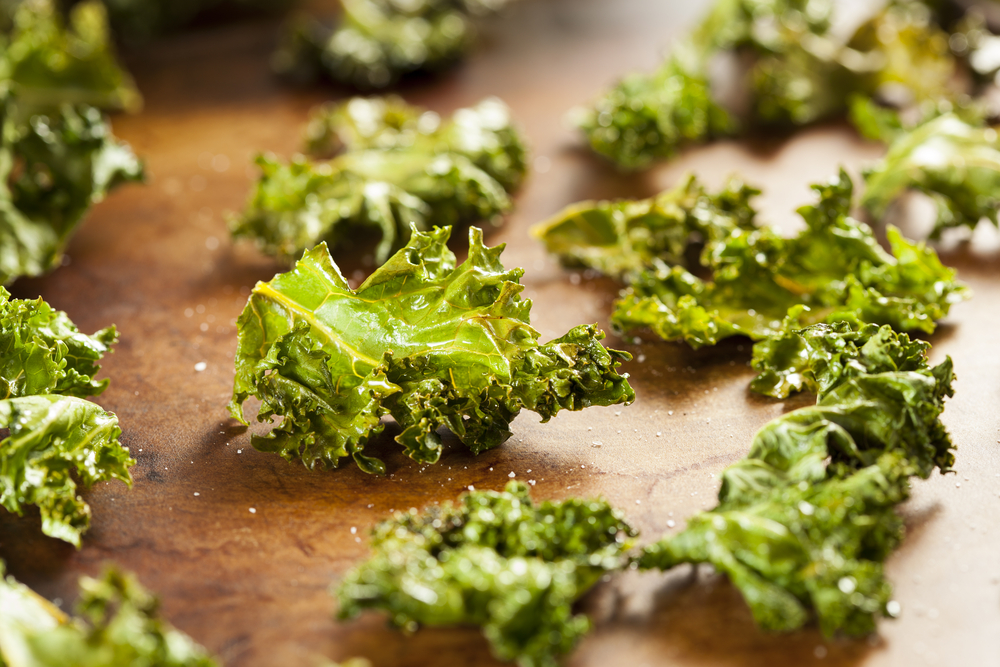
Vegetables such as spinach, kale, broccoli, and cabbage contain high amounts of vitamin K.
This can affect blood-thinning medications such as warfarin and reduce the drug’s ability to prevent blood clots.
Consistent intake is important
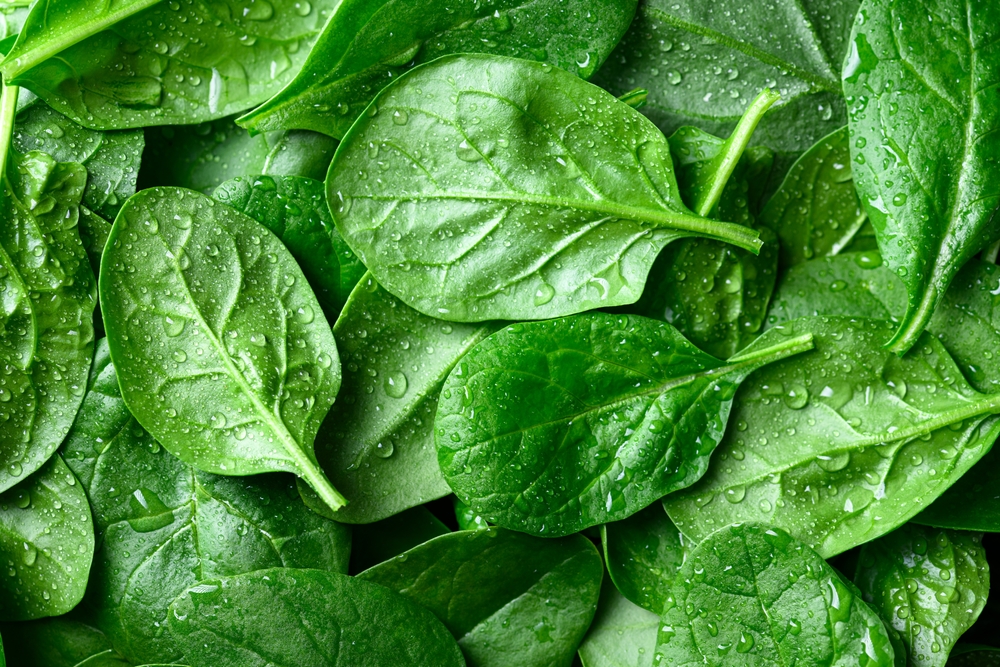
Experts do not necessarily recommend avoiding these vegetables altogether.
Instead, maintaining a consistent and steady intake of vitamin K may help keep the medication’s effects stable.
More side effects

When medication accumulates in the body, the risk of side effects can increase.
Muscle pain is among the possible problems associated with this combination.
This article is made and published by Ida-Marie Palm Varbæk, who may have used AI in the preparation.