
Pollen allergy can affect more than just your nose and eyes. For many, certain foods can also trigger reactions, reports IFORM. Here is what you need to know.
What is cross-reactivity
Cross-reactivity occurs when the immune system reacts to proteins in foods because they resemble those found in pollen. As a result, the body struggles to tell them apart and responds as if it were exposed to pollen.
How common is it
A large proportion of people with pollen allergies, especially to birch, grass, and mugwort, also experience reactions to specific foods. This affects roughly every second person.
Typical symptoms

Common symptoms include itching and swelling of the lips, mouth, and throat. Some may also feel irritation in the ears or discomfort in the stomach after eating certain foods.
Also read: Why your work position may be hurting you
Different reaction patterns

For some, symptoms only appear during the pollen season when the body is already under strain. Others may experience reactions throughout the year, depending on their sensitivity.
Fruits linked to birch pollen
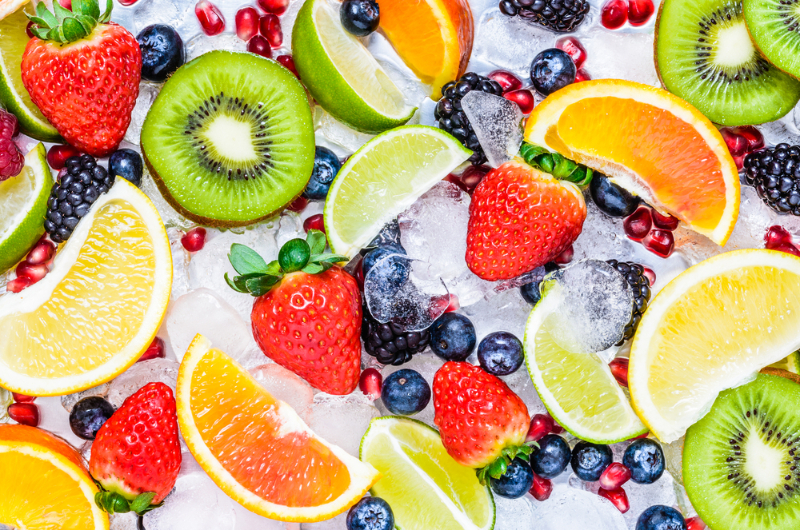
People allergic to birch pollen may react to several fruits, including apples, especially green ones, as well as kiwi, apricot, plum, peach, cherry, nectarine, and pear.
Vegetables linked to birch pollen
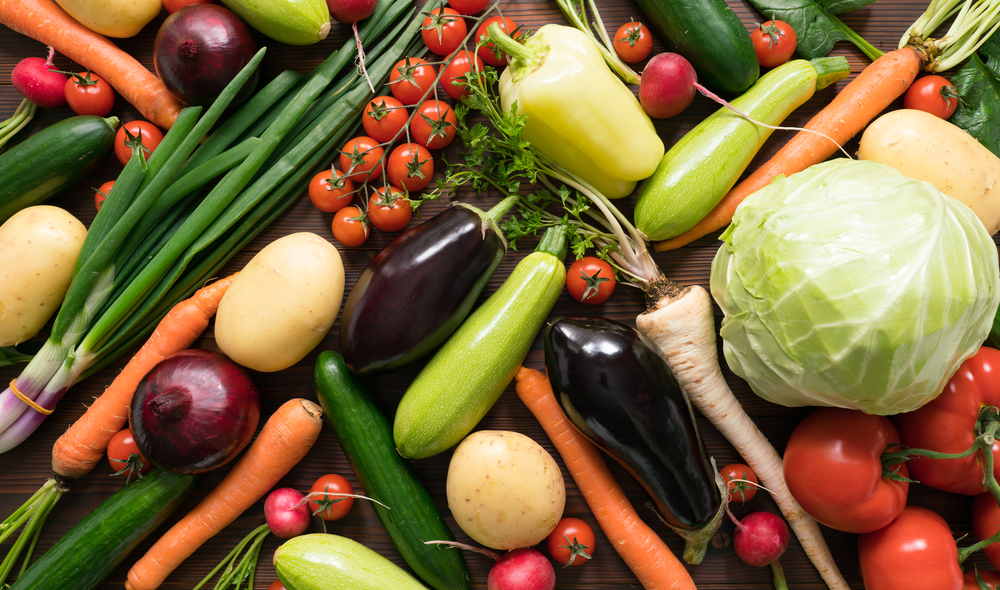
Certain vegetables can also trigger symptoms, such as carrots, potatoes, celery, tomato, bell pepper, and peas.
Nuts linked to birch pollen
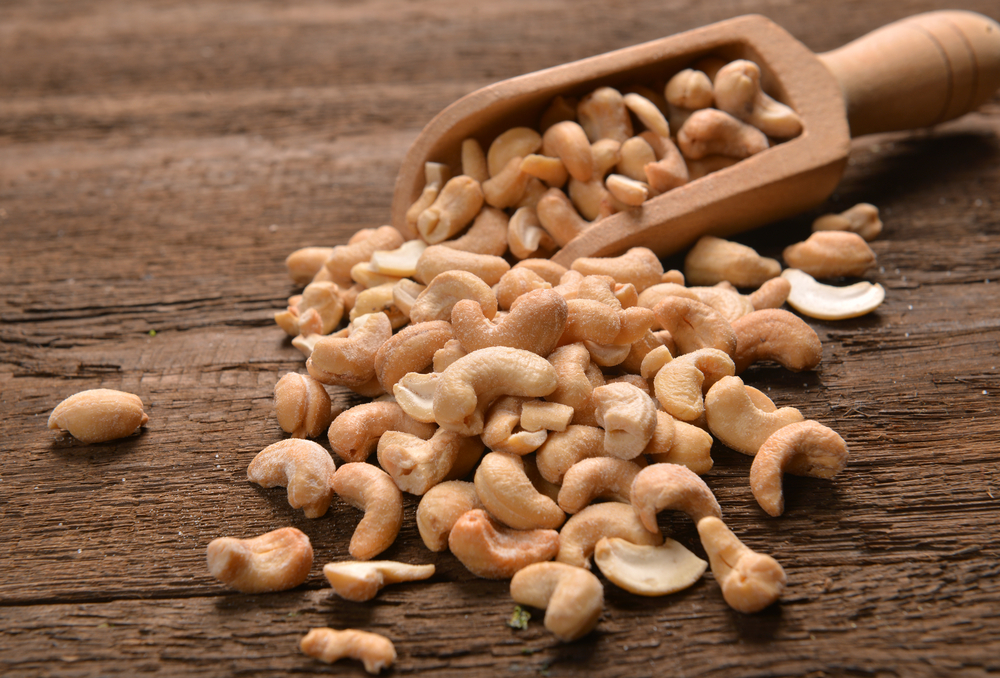
Nuts are a frequent cause of cross-reactions. This includes hazelnuts, peanuts, almonds, cashews, walnuts, Brazil nuts, pistachios, pecans, and macadamia nuts.
Also read: Not all olive oil is equally healthy, new study shows
Foods linked to grass pollen
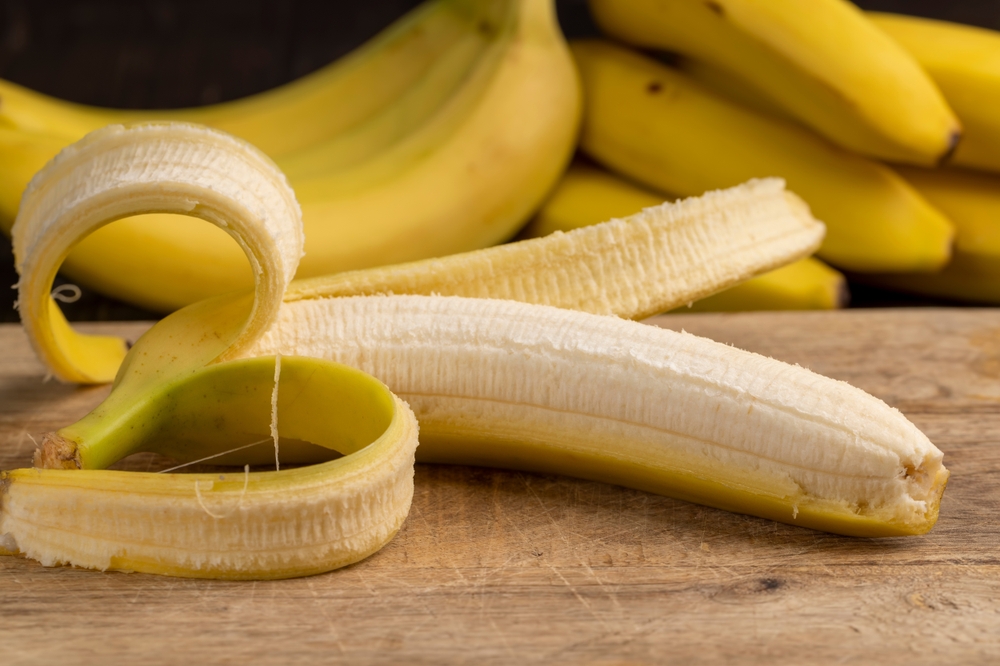
With grass pollen allergy, both fruits and vegetables can cause issues. This includes orange, banana, melon, kiwi, and apricot, as well as vegetables like celery, tomato, and peas.
Foods linked to mugwort pollen
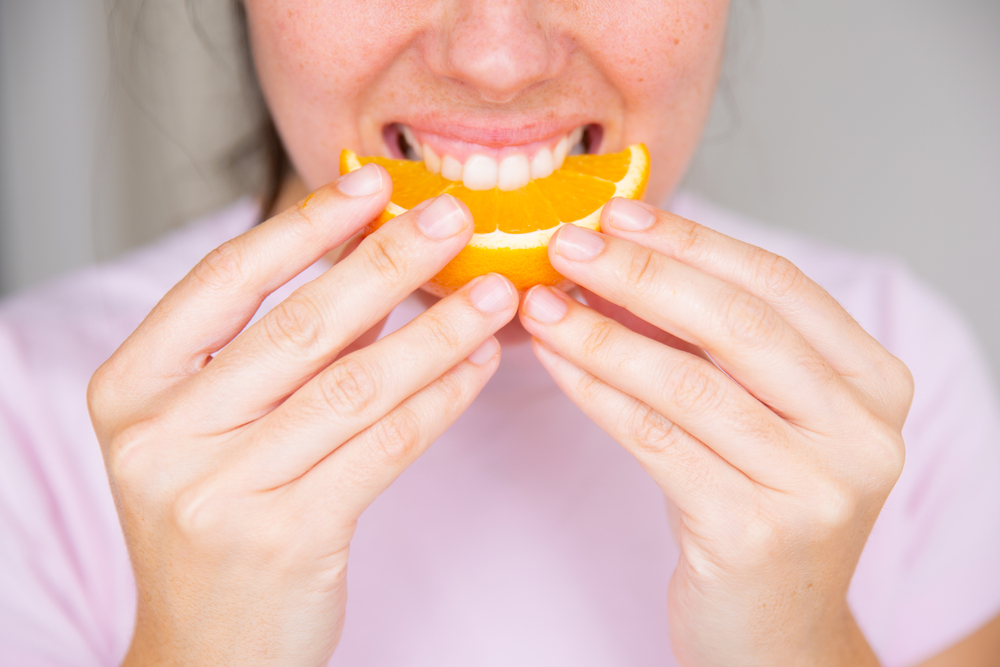
Mugwort pollen can also lead to reactions. This is seen with foods such as orange, melon, and banana, as well as legumes, celery, tomato, carrot, and similar vegetables.
Herbs and spices
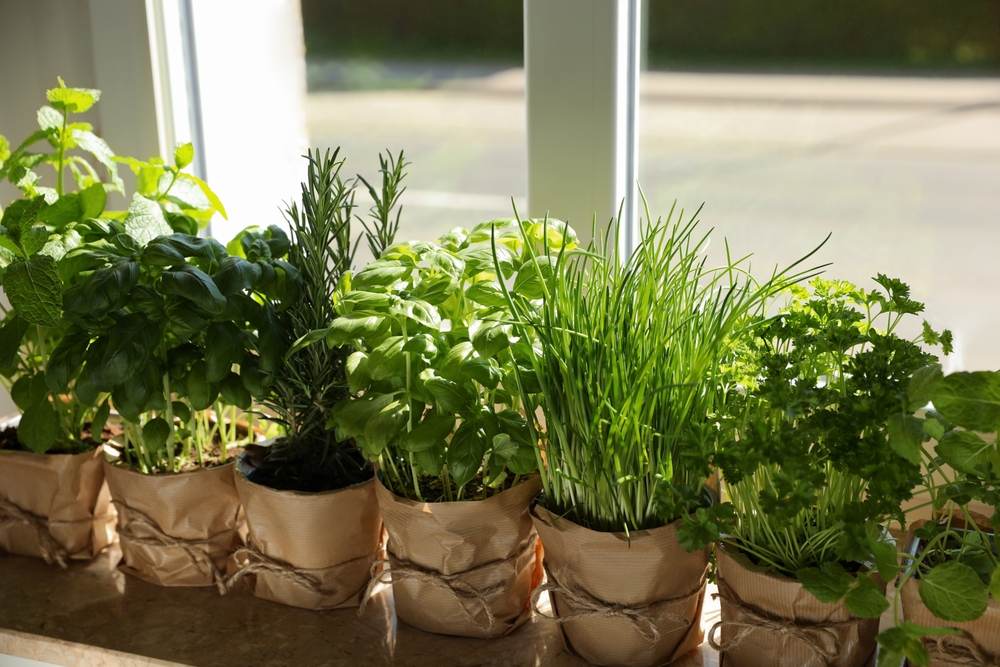
People with celery allergy may also react to herbs and spices, particularly if they are also allergic to mugwort or birch pollen.
The role of preparation

Many find that foods are easier to tolerate when peeled or cooked. Heat alters the proteins, making them less likely to trigger allergic reactions.
Also read: This is how JD Vance lost weight – new photos reveal his transformation
Managing symptoms

If symptoms occur, stop eating the food immediately. Antihistamines can help relieve discomfort, and in severe cases such as throat swelling or breathing difficulties, medical attention is necessary.
Also read: How diet soda can affect your body if you drink it every day
This article is made and published by Mie Hermansen, who may have used AI in the preparation.