
This supplement is more than just a mineral – it plays a surprisingly significant role in your mental health.
If you're struggling with depression, this mineral might be a valuable tool in your treatment arsenal.
It can help ease depressive symptoms

Multiple clinical studies have shown that magnesium supplements can significantly improve symptoms of depression.
It's especially effective when used alongside other treatments like talk therapy and antidepressant medications.
Also read: This Happens to Your Liver When You Drink Coffee Every Day
Magnesium deficiency can worsen your mental health

Lack of magnesium increases the risk of depression and anxiety.
This is because magnesium helps regulate mood and the body's response to stress, both of which are critical in managing mental health.
Magnesium boosts the calming chemical GABA

Magnesium supports the production of GABA, a neurotransmitter that has a calming effect on the brain.
GABA functions similarly to certain anti-anxiety medications, helping to reduce feelings of restlessness and agitation.
Also read: The Most Overlooked Trick for Women's Pain Relief? It’s on Your Leg
It also influences serotonin and glutamate

In addition to GABA, magnesium affects other brain chemicals such as serotonin – which influences mood – and glutamate, which can cause overstimulation if left unchecked.
Balanced levels of these chemicals are essential for emotional stability.
Magnesium lowers the stress hormone cortisol

Magnesium helps control the release of ACTH, a hormone that stimulates cortisol production.
Lower cortisol levels are linked to reduced stress and improved emotional well-being.
Also read: Drink Your Way to a Healthy Liver Using Only Ingredients from Home
Chronic stress can deplete magnesium levels

Stress doesn’t just affect your mind – it drains your body of magnesium.
This creates a vicious cycle: stress lowers magnesium, and low magnesium increases stress, making symptoms of depression worse.
Magnesium glycinate is the best form for depression
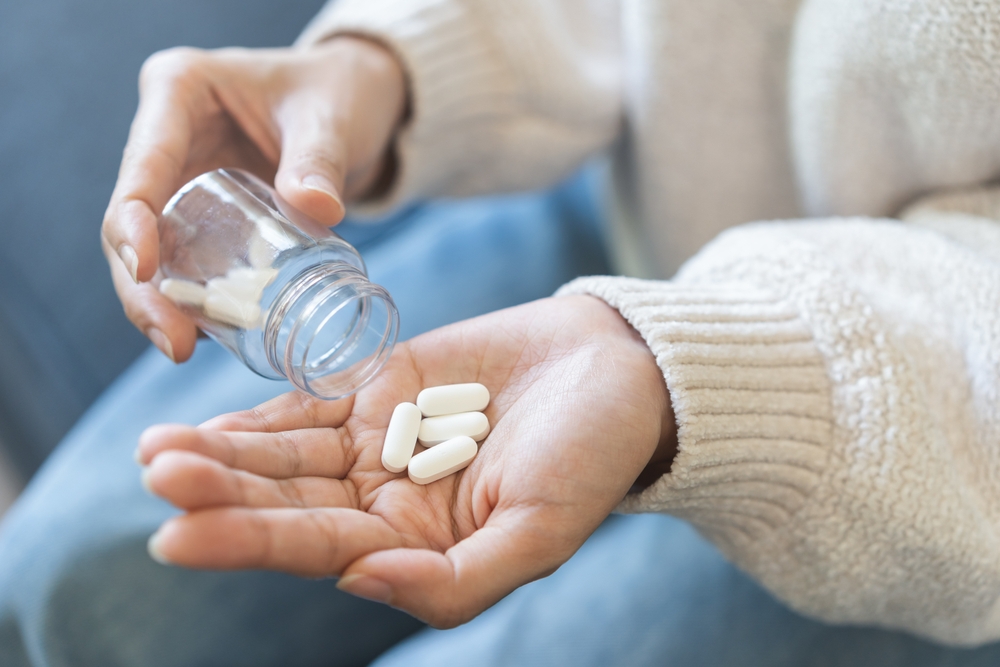
Among the many types of magnesium, magnesium glycinate is the most recommended for depression.
It's highly absorbable and causes fewer digestive side effects compared to other forms like magnesium oxide.
Also read: Why Danes Sleep Better Than You – and How You Can Do the Same
Dosage should be individualized

While the general recommendation is 310–420 mg per day, people with depression may benefit from doses up to 500 mg daily – but only under a doctor’s supervision.
Splitting the dose throughout the day and taking part of it before bed can enhance absorption and improve sleep.
You can get magnesium from food too

Magnesium-rich foods are a safe and effective way to boost your levels.
Excellent sources include leafy green vegetables, nuts, seeds, whole grains, beans, dark chocolate, fish, meat, and dairy products.
Also read: Here’s the Optimal Time of Day to Take a Shower
It can be taken alongside antidepressants
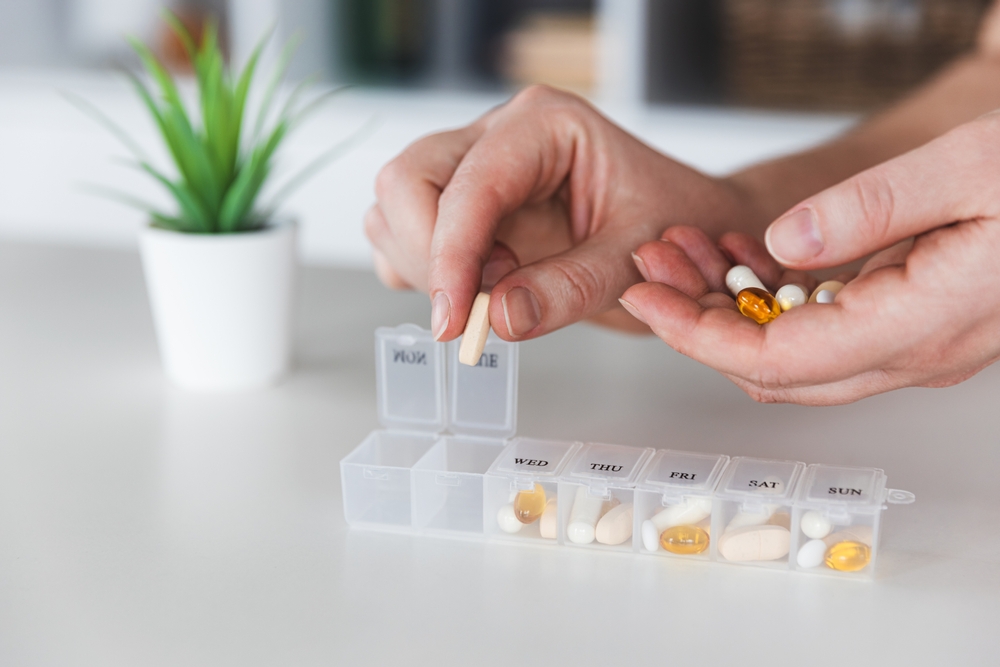
Magnesium can safely be combined with antidepressants and often enhances their effect.
However, always consult your doctor first, especially if you have kidney or heart issues, or are on medications that might interact with magnesium.
This article is based on information from WebMD.
This article is made and published by Ida-Marie Palm Varbæk, who may have used AI in the preparation.