
They may taste like bubble gum and look like candy, but flavored nicotine products are anything but harmless.
The World Health Organization (WHO) is now urging governments worldwide to take bold action and outlaw all flavored tobacco and nicotine products to protect young people from addiction and long-term health consequences.
Sweet Flavors Make Dangerous Products Seem Harmless
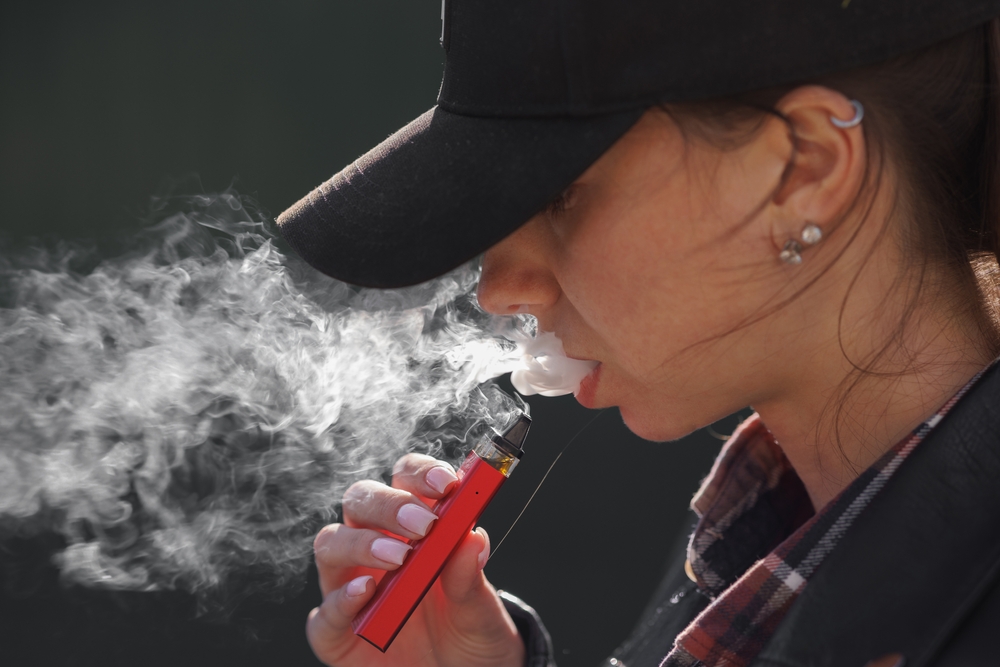
Fruity, minty, and sugary flavors disguise the harshness of tobacco and nicotine, making them more appealing—especially to younger users.
Nicotine Disguised as Candy
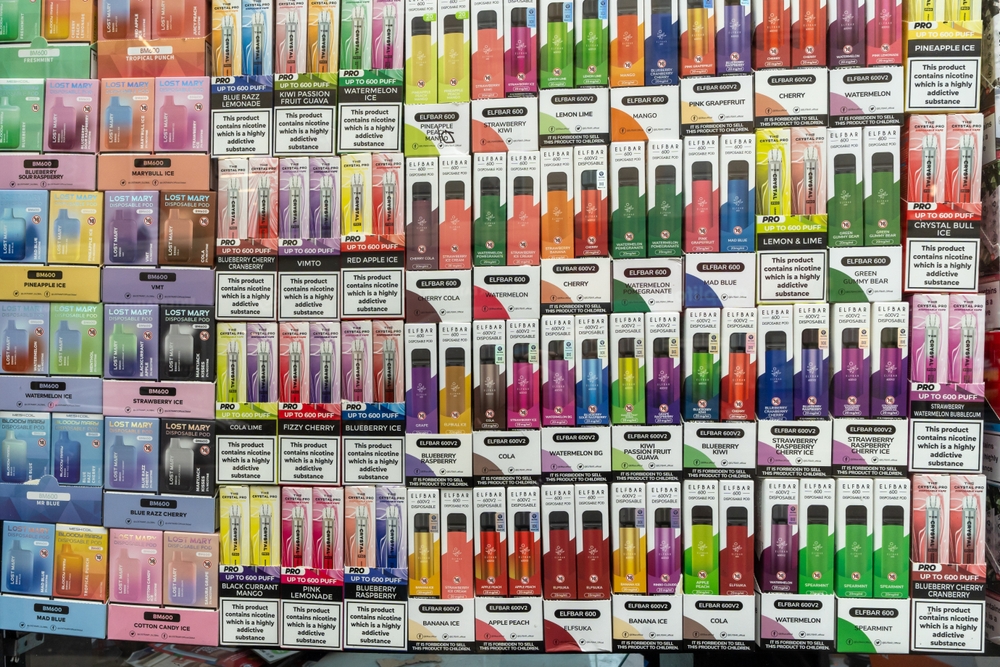
From colorful packaging to dessert-like aromas, many nicotine products are designed to mimic treats, luring in teens and young adults.
Also read: This Happens to Your Liver When You Drink Coffee Every Day
Flavors Increase the Risk of Addiction
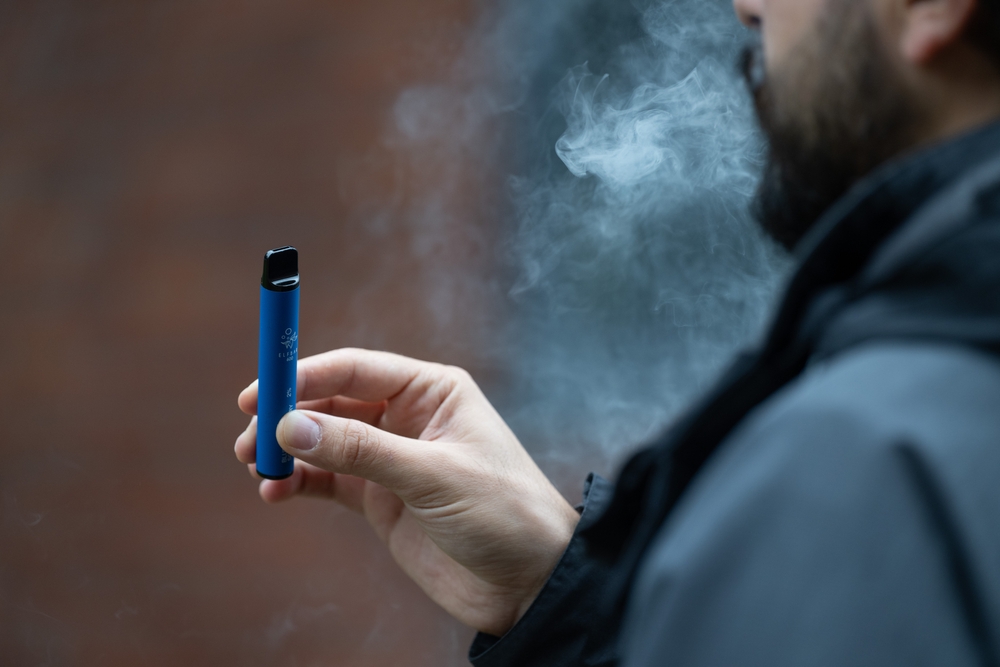
Studies show that flavors not only encourage first-time use but also make it harder to quit—particularly for adolescents with developing brains.
Social Media Marketing Targets Youth
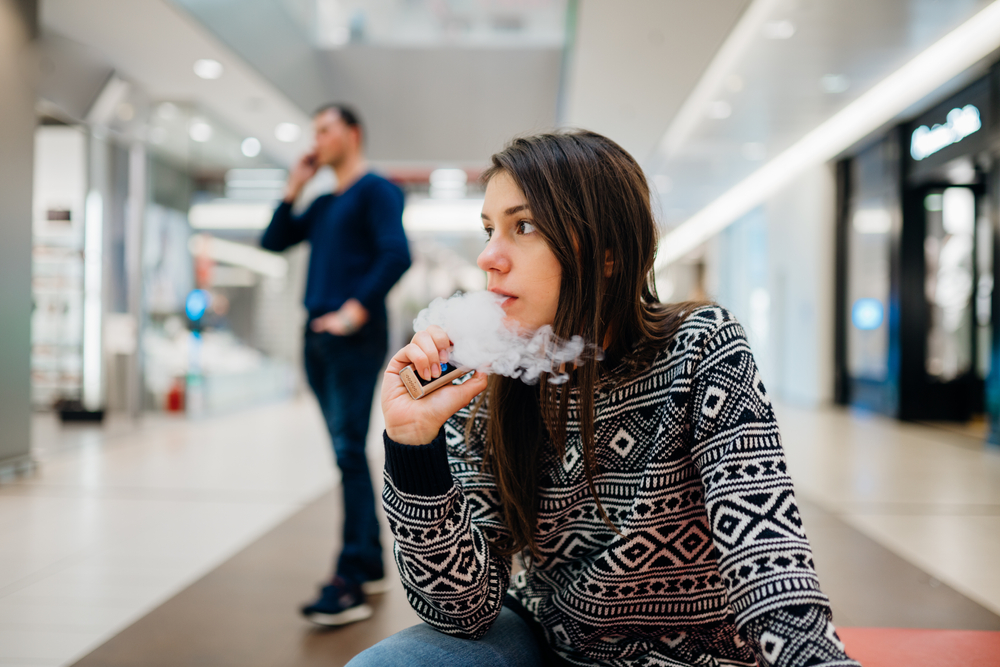
Nicotine brands are using TikTok aesthetics, influencer culture, and bright visuals to market directly to a younger audience.
Click-On Capsules and Drops Exploit Loopholes
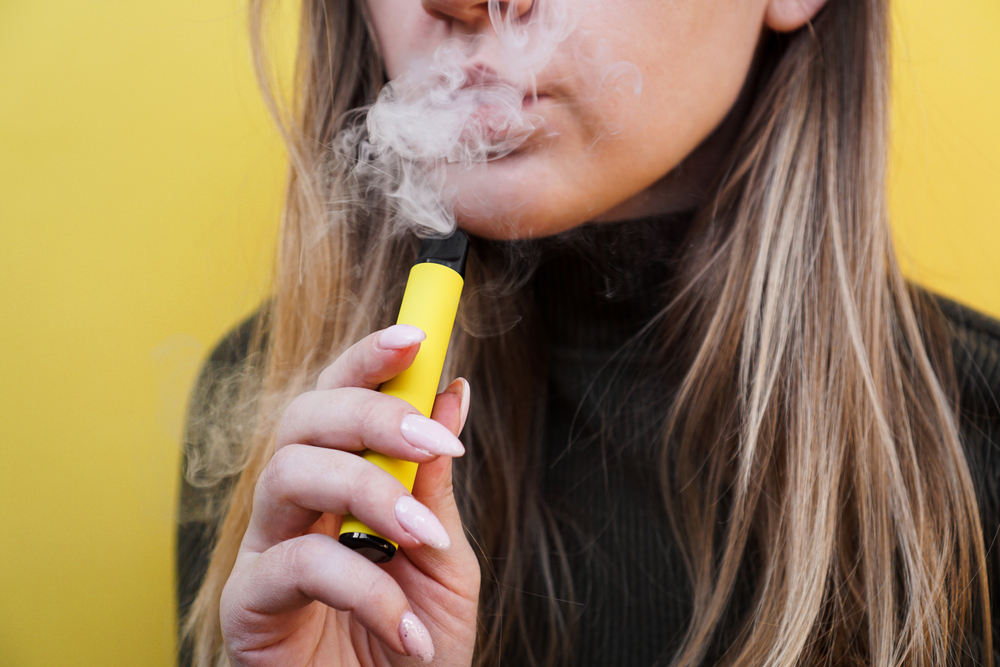
Some products are sold with flavor capsules or drops that users add themselves—an intentional strategy to sidestep regulations.
WHO Calls It Manipulation, Not Innovation

The organization argues that these marketing tactics aren’t harmless creativity, but calculated manipulation of vulnerable consumers.
Also read: The Most Overlooked Trick for Women's Pain Relief? It’s on Your Leg
Vaping on the Rise Among Teens
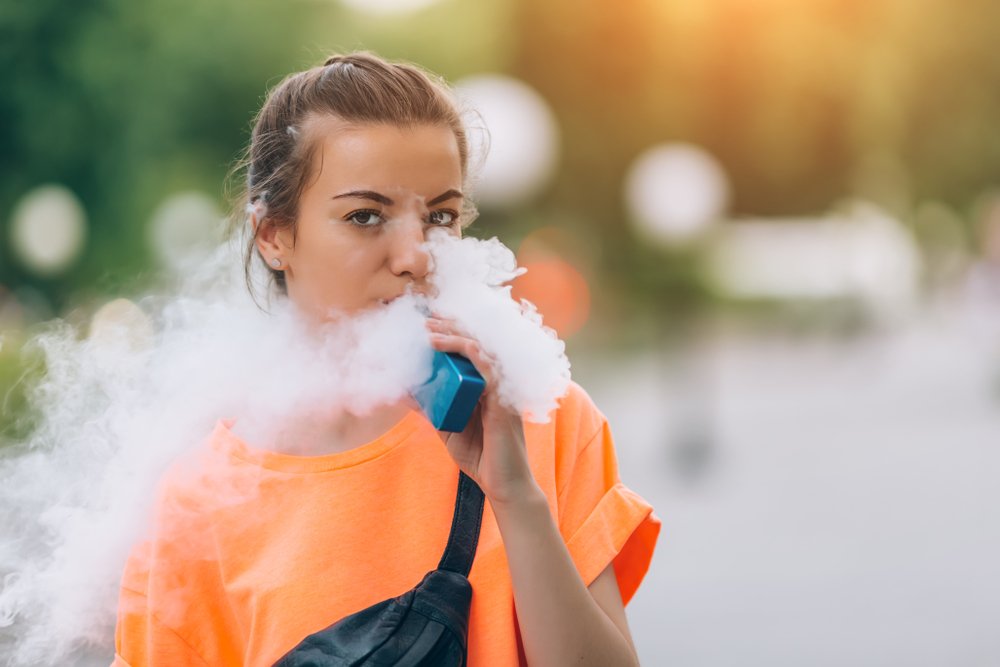
In some regions, especially across the Americas, teen use of e-cigarettes is nearly equal to that of traditional cigarettes.
Gender Gap in Use Is Shrinking

New data shows that boys and girls are using nicotine at similar rates—an alarming trend that signals growing normalization across all youth.
Countries Are Starting to Push Back

Several nations in North and South America have already implemented advertising bans and even prohibited the sale of flavored nicotine products.
WHO’s Goal: Stop Addiction Before It Starts

The organization hopes that by removing flavors and appealing designs, the industry’s grip on youth can finally be broken.
Also read: Drink Your Way to a Healthy Liver Using Only Ingredients from Home
This article is based on information from News Medical
Also read: Why Danes Sleep Better Than You – and How You Can Do the Same