
A major health study has revealed a surprising pattern: men with a specific inherited trait in their body are more than twice as likely to develop dementia than women.
The discovery could pave the way for earlier intervention and targeted prevention for those most at risk.
A Common Trait Found in Millions

Roughly 1 in 36 people inherit a specific version of a trait that influences how the body handles iron. For men, having this double version may significantly increase their risk of dementia.
The Effect Only Appears in Men

Women who carry the same version of this trait do not seem to be affected in the same way. The reason for this gender difference is still unknown and under active investigation.
Also read: This Happens to Your Liver When You Drink Coffee Every Day
It’s Linked to Iron Regulation – But Not Caused by High Iron

Although the trait is part of how the body regulates iron levels, researchers didn’t find a direct connection between iron in the blood and dementia risk.
Scientists Suspect Inflammation in the Brain
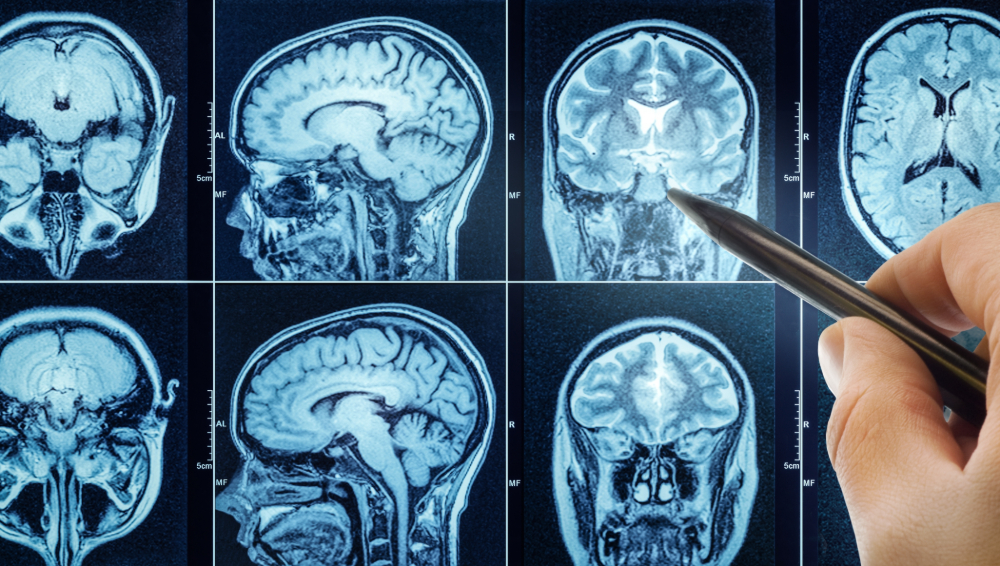
The working theory is that this inherited trait might make men more vulnerable to damage from inflammation or stress in brain cells over time.
Already Part of Routine Testing

This trait is already tested for when doctors check for iron overload. The new study suggests it might also help identify men at higher dementia risk much earlier.
The Study Followed 19,000 Healthy Adults

Researchers analyzed data from the ASPREE trial, which tracked the health of older adults over many years in Australia and the U.S.
Also read: The Most Overlooked Trick for Women's Pain Relief? It’s on Your Leg
Most People With This Trait Never Know They Have It

Because it doesn’t usually cause symptoms, many people are unaware they have this risk factor. But if it affects brain health, knowing could make a difference.
No Cure – But Possibly a New Approach

While the inherited trait itself can’t be changed, knowing who is most at risk could allow for early intervention or future treatments aimed at protecting the brain.
Could Help Explain Thousands of Cases

This finding could clarify why some men develop dementia while others with similar lifestyles don’t, offering a missing piece in the puzzle.
A New Path to Personalized Prevention

Doctors could one day offer more tailored advice or screening to men based on this trait, helping delay or reduce their risk of cognitive decline.
Also read: Drink Your Way to a Healthy Liver Using Only Ingredients from Home
This article is based on information from News Medical
Also read: Why Danes Sleep Better Than You – and How You Can Do the Same
This article is made and published by Mie Hermansen, who may have used AI in the preparation.