
A new discovery from U.S. researchers could change how we understand—and potentially treat—dementia. It all comes down to sugar in the brain and how it’s processed.
Brain Sugar Could Play a Protective Role

Researchers believe that glycogen, a type of sugar found in the brain, may help protect nerve cells from damage related to dementia.
Alzheimer’s Disrupts Sugar Breakdown

In both mice and human brains with Alzheimer’s, scientists found that glycogen wasn’t being broken down properly, leading to harmful buildup.
Tau Protein May Interfere With This Process

One theory is that tau, a sticky protein known to drive Alzheimer’s, binds to brain sugar and blocks its breakdown.
Also read: Forget Water: This Common Beverage Keeps You Hydrated Longer
Loss of Sugar Breakdown Weakens Brain Defenses

Without proper sugar metabolism, the brain may lose a key defense mechanism that helps it resist disease and degeneration.
A New Avenue for Treatment
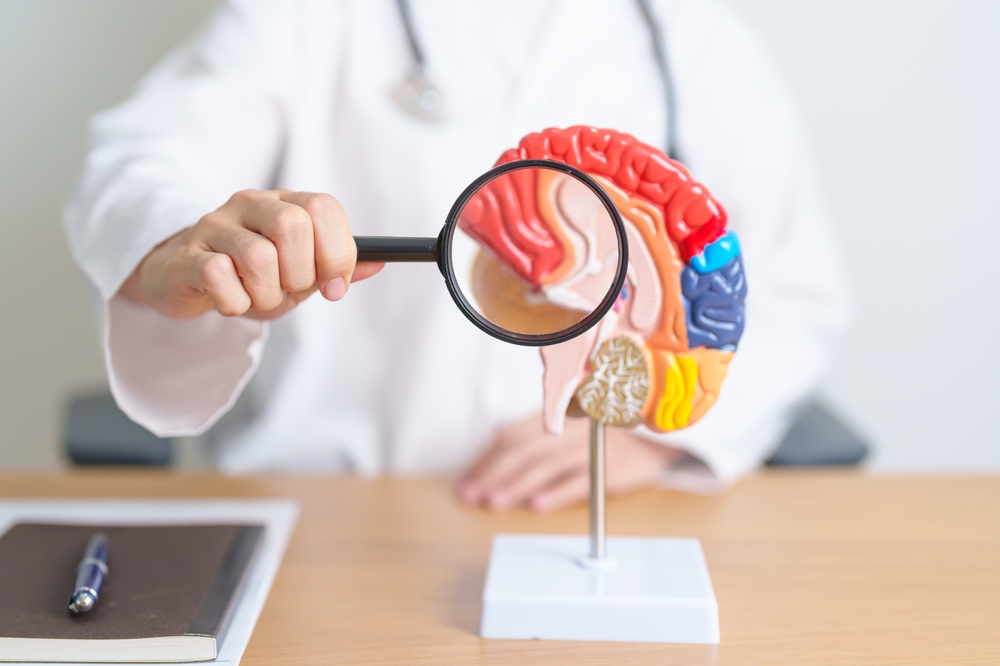
Researchers suggest that future treatments could aim to restore the brain’s ability to break down glycogen, slowing the effects of dementia.
Dietary Impact Could Be Explored

The discovery raises the possibility that diet might influence how the brain processes sugar, though more research is needed.
Findings Based on Mouse and Human Brains

The research was conducted using samples from both mice and people diagnosed with Alzheimer’s, adding weight to the findings.
Also read: These Everyday Medications Could Be Dangerous in the Summer Heat
A Fresh Perspective on Alzheimer’s

Instead of focusing solely on plaques and tangles, this study points to energy metabolism as a potential factor in dementia development.
Leading Researchers Behind the Study

The study was carried out by scientists at the Buck Institute for Research on Aging, a world leader in age-related brain research.
This article is based on information from Illustreret Videnskab
Also read: Eat Your Way to a Stronger Liver with These Tips
Also read: This Is How a Heatwave Affects Your Body Minute by Minute
This article is made and published by Mie Hermansen, who may have used AI in the preparation.