
Ticks love warm, moist areas on the body like behind the knees, in the groin, underarms, behind the ears, and along the scalp. Always inspect yourself thoroughly after being in nature, especially after hikes or time in tall grass.
Know What a Tick Bite Looks Like
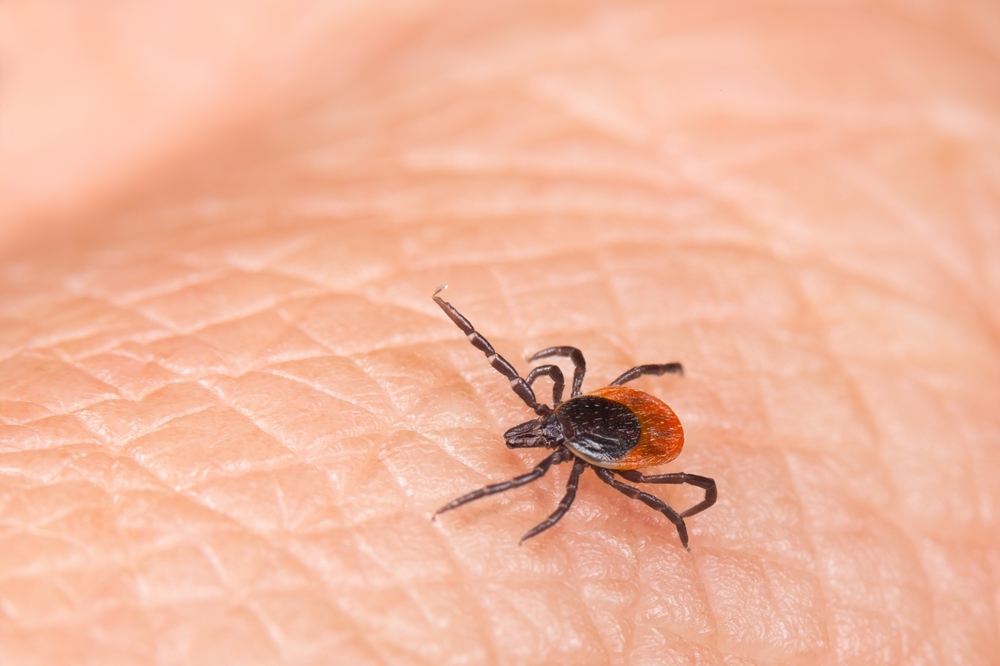
You might see a small reddish bump or even the tick itself embedded in the skin. The bite usually doesn’t hurt, but it can itch or swell slightly. A larger red circle developing later could signal an infection.
Remove the Tick the Right Way
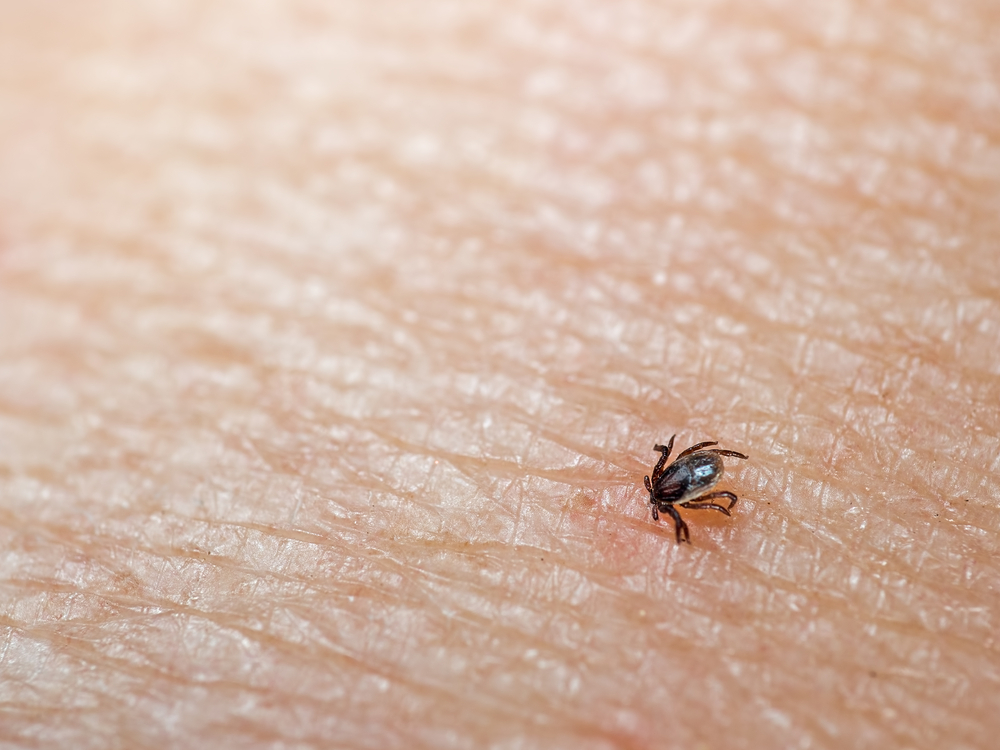
Use fine-tipped tweezers and grip the tick as close to the skin as possible. Pull straight up slowly without twisting to avoid breaking it. The goal is to get the entire tick out in one piece.
Avoid These Common Removal Mistakes
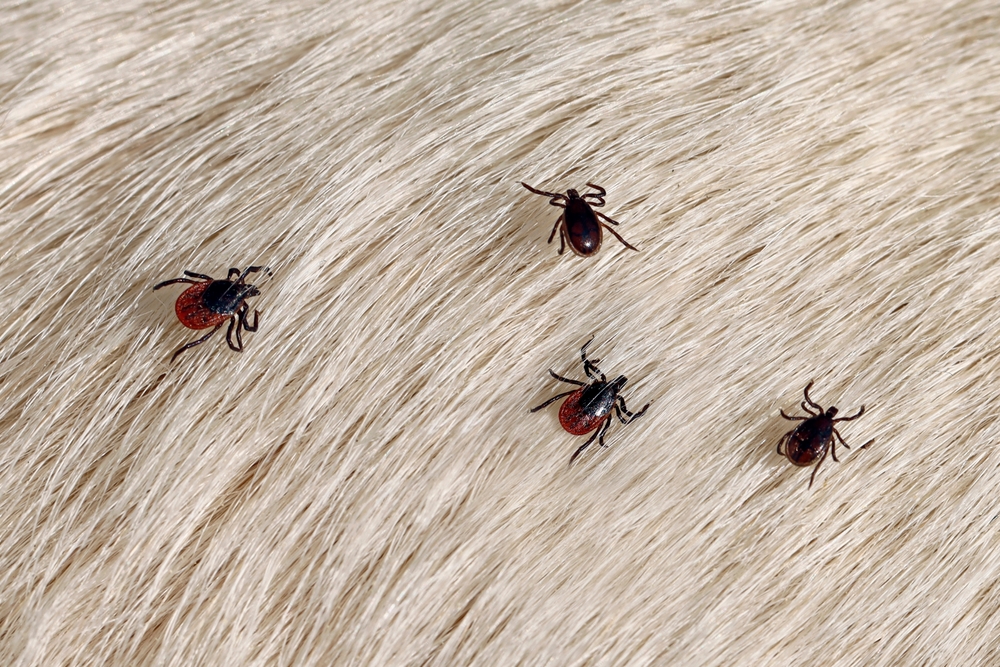
Never burn the tick, apply oil, nail polish, or alcohol to force it out. This can cause it to release harmful bacteria into your skin before it detaches. Also, never remove a tick with your bare hands or fingernails.
Also read: This Happens to Your Liver When You Drink Coffee Every Day
Clean the Bite Area Properly
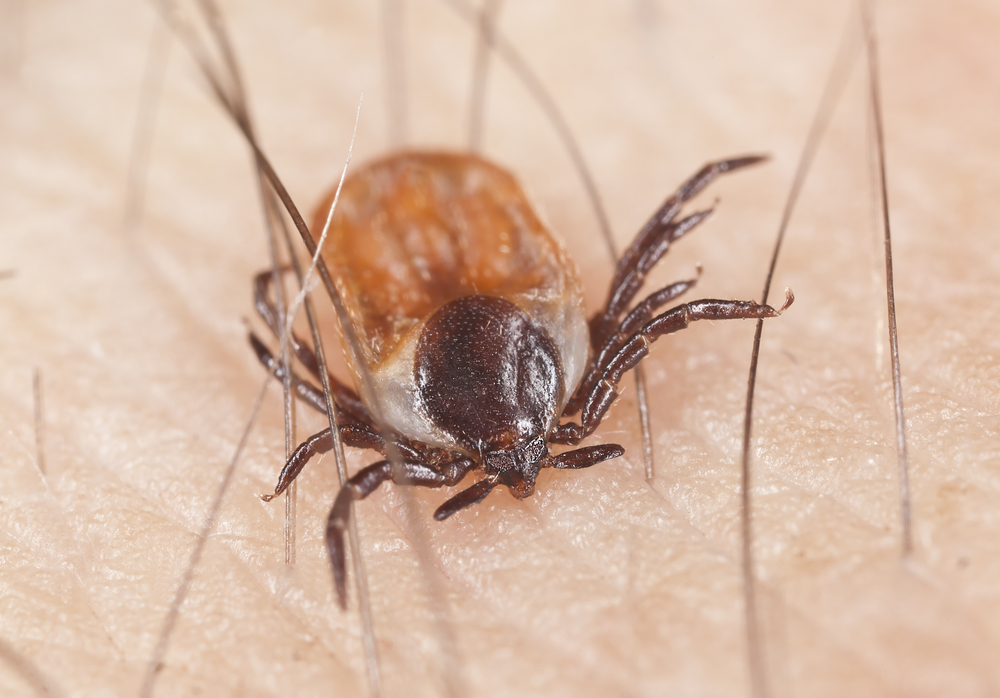
Once the tick is removed, wash the area with soap and water, then disinfect with alcohol or antiseptic. Apply an antibiotic cream if the skin is irritated, and always wash your hands afterwards.
Save the Tick for Identification
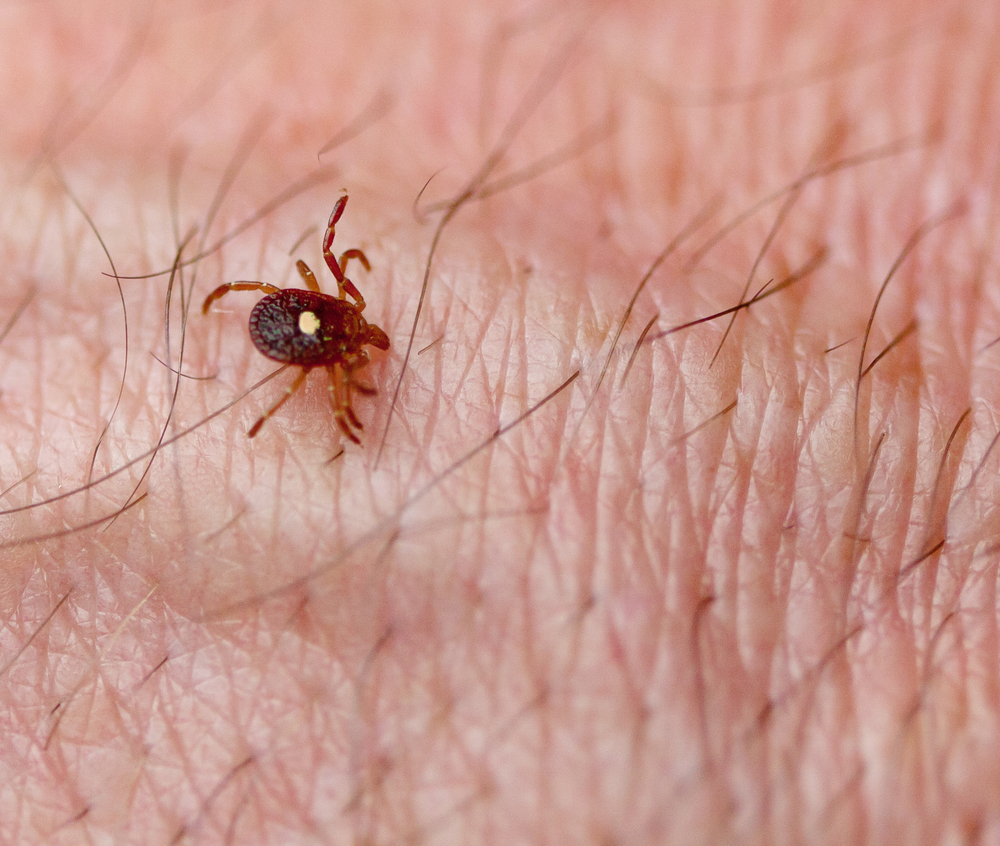
If possible, place the tick in a sealed container or tape it to a piece of paper. This helps if symptoms develop and a doctor wants to identify the species or test for diseases.
Monitor the Bite for Several Weeks
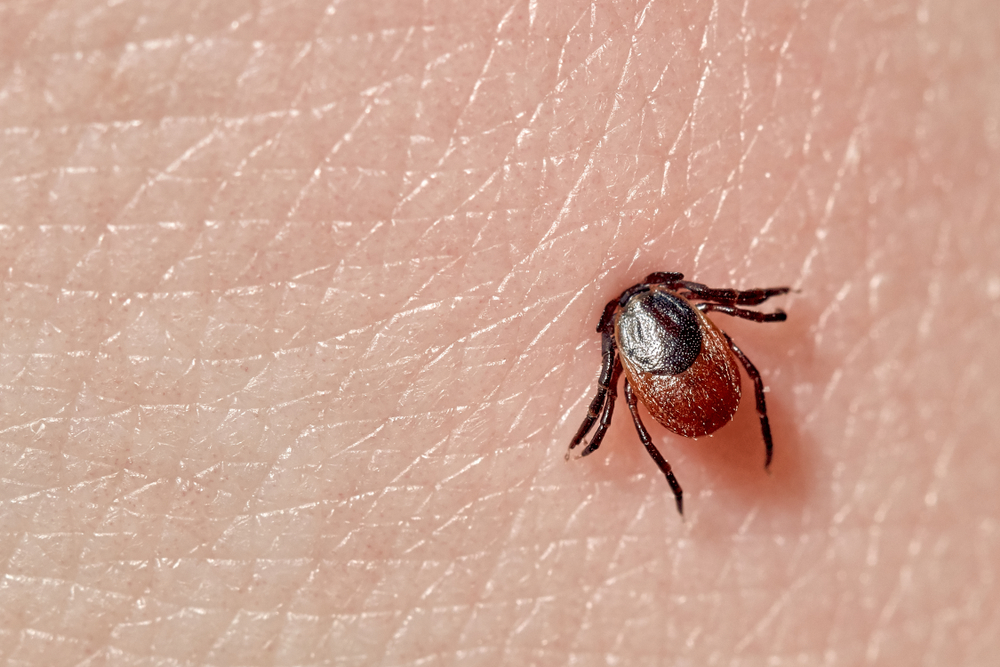
Even if the area looks fine at first, keep an eye out for changes like expanding redness or a rash shaped like a bull’s-eye. These can appear days or even weeks after the bite.
See a Doctor If Symptoms Appear
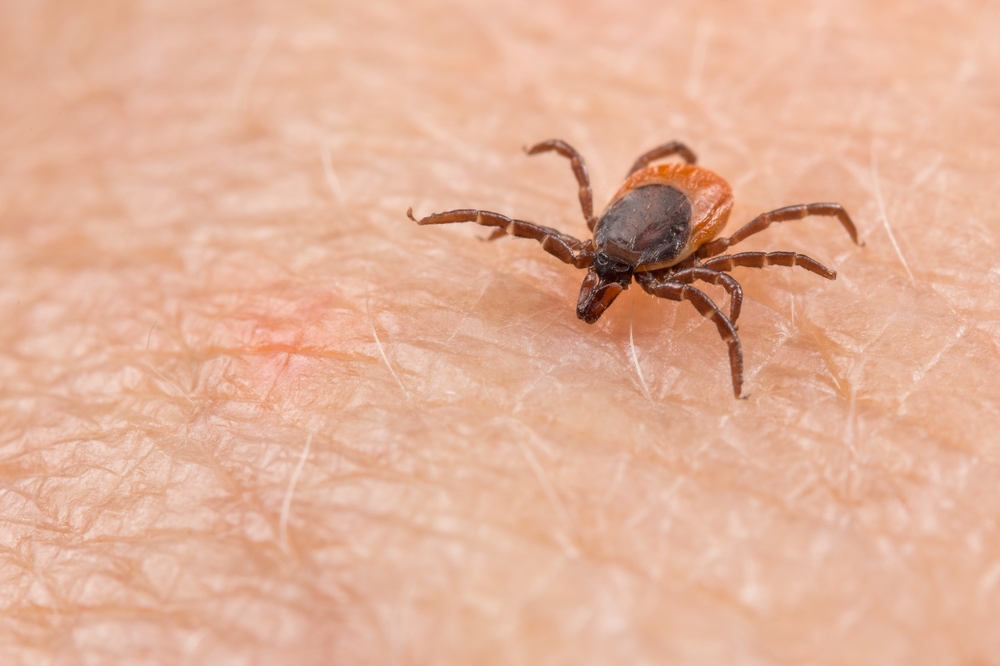
Flu-like symptoms such as fever, fatigue, headaches, or joint pain may signal a tick-borne infection. Early medical attention is crucial to prevent long-term complications.
Also read: The Most Overlooked Trick for Women's Pain Relief? It’s on Your Leg
Don’t Ignore Embedded Tick Parts

If any part of the tick remains in the skin—especially the mouthparts—do not attempt to dig it out yourself. Visit a healthcare professional to have it safely removed and the wound properly cleaned.
Know the Diseases Ticks Can Carry

Ticks can transmit serious illnesses like Lyme disease, tick-borne encephalitis (TBE), and babesiosis. While not all bites are dangerous, early removal and vigilance are essential to stay safe.
This article is based on information from stirileprotv.ro
Also read: Drink Your Way to a Healthy Liver Using Only Ingredients from Home
Also read: Why Danes Sleep Better Than You – and How You Can Do the Same
This article is made and published by Mie Hermansen, who may have used AI in the preparation.