
A small change in how you sleep can have a big impact on your health.
If you struggle with snoring, acid reflux, or back pain, switching to this sleeping position might be your simple, science-backed solution.
Significantly reduces snoring

Sleeping on your back allows your tongue to fall backward and obstruct your airway, which causes snoring.
Side sleeping keeps the airway open and reduces snoring dramatically.
Also read: This Happens to Your Liver When You Drink Coffee Every Day
Helps relieve sleep apnea

Side sleeping helps prevent the airway blockages that lead to obstructive sleep apnea.
It improves the anatomy of the upper airway and reduces the number of breathing pauses during sleep.
Increases lung capacity

Lying on your side allows your lungs to expand more fully, making it easier to breathe deeply and stabilizing the airway.
This is especially helpful for people with respiratory sleep issues.
Also read: The Most Overlooked Trick for Women's Pain Relief? It’s on Your Leg
Boosts airway muscle function

Side sleeping improves the efficiency of the muscles in the upper airway. This added muscle support helps prevent the airway from collapsing during sleep.
Eases back pain

Sleeping on your stomach can worsen back pain, while side sleeping supports the spine’s natural curve.
It relieves pressure on the lower back and helps those with chronic pain sleep more comfortably.
Reduces hip and joint pressure
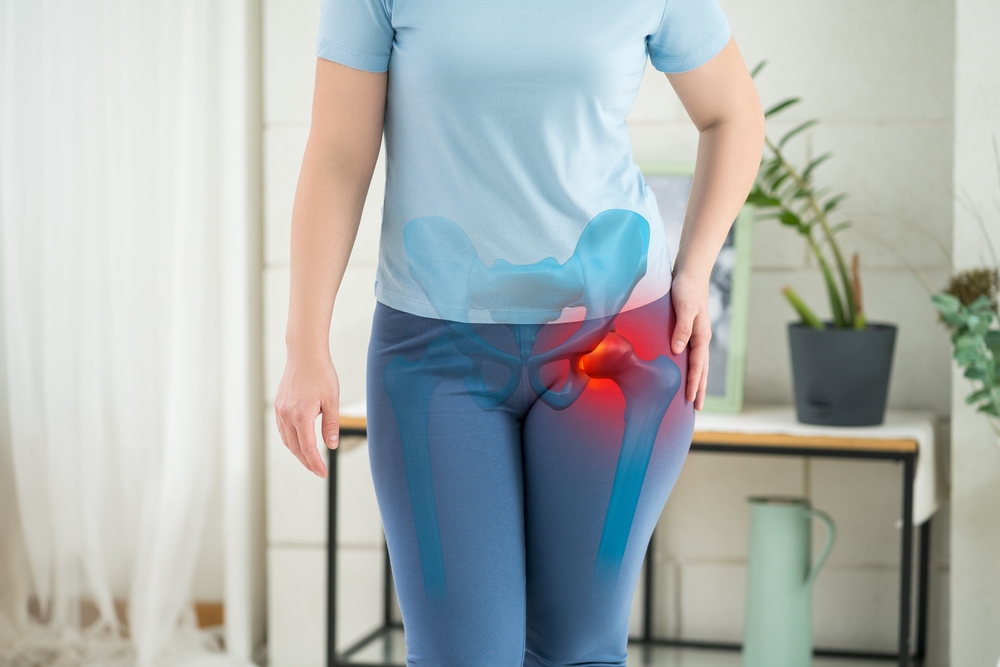
Side sleeping is gentler on the hips and internal organs.
Also read: Drink Your Way to a Healthy Liver Using Only Ingredients from Home
It's especially beneficial for pregnant individuals and those with a higher body weight who need extra joint support during sleep.
Prevents acid reflux

Lying on your back can let stomach acid creep into the esophagus.
Side sleeping, especially on the left side, helps keep acid down and reduces the risk of heartburn and GERD.
Speeds up digestion
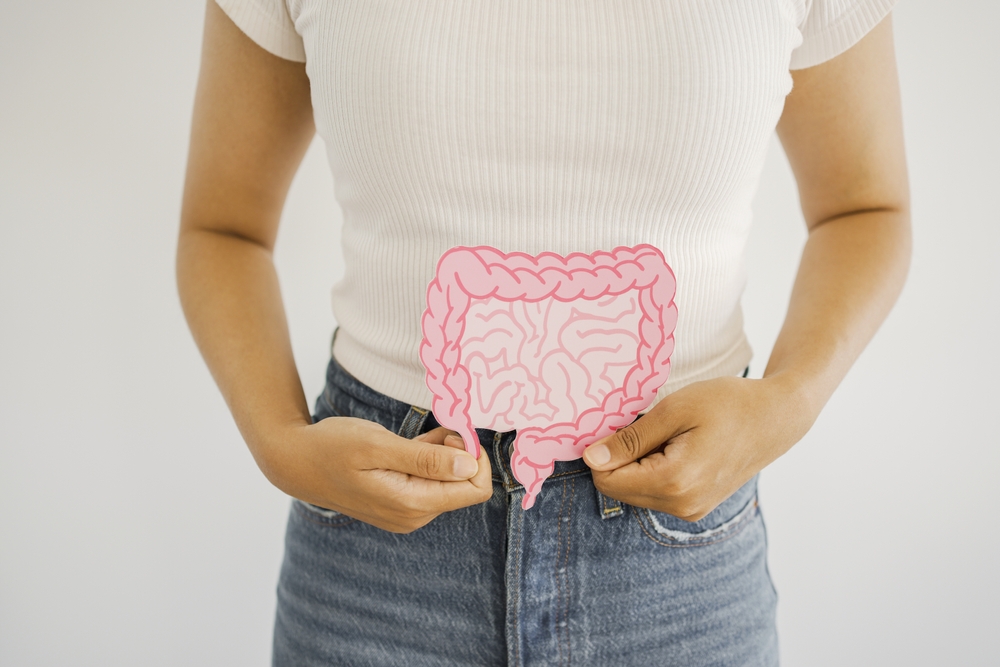
Side sleeping helps move stomach contents into the small intestine faster, reducing the amount of acid that can rise up into the esophagus and disturb sleep.
Also read: Why Danes Sleep Better Than You – and How You Can Do the Same
Improves overall sleep quality
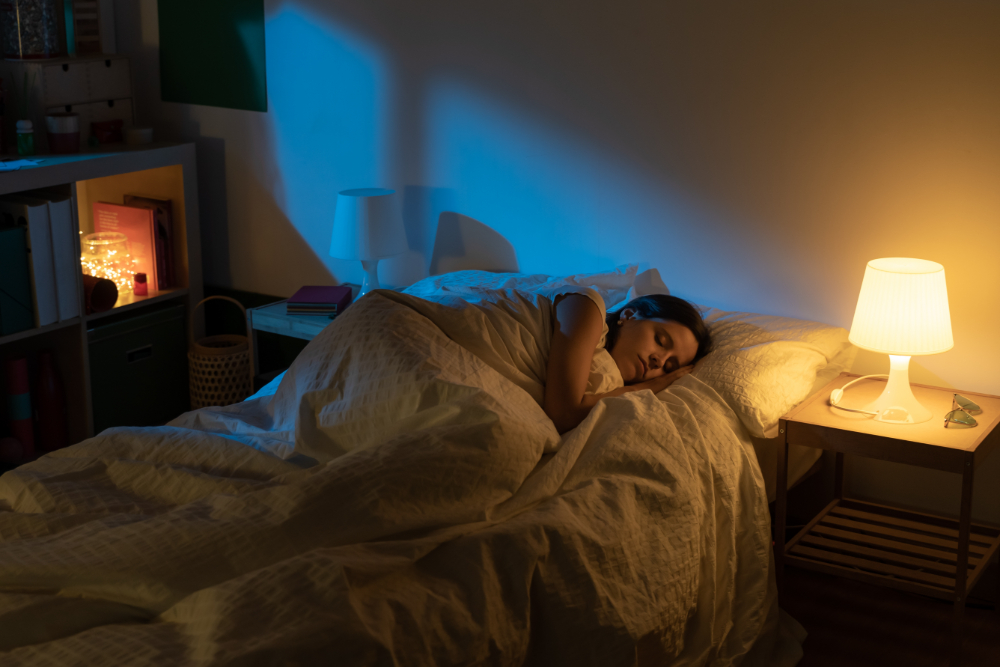
By reducing snoring, pain, and reflux, side sleeping can lead to deeper, more restorative sleep. This means better mood, focus, and energy during the day.
Easy to transition with simple tricks

Switching to side sleeping is easier than you think. Try using a body pillow, a rolled towel, or even sewing a tennis ball into your pajamas to avoid rolling onto your back.
This article is based on information from National Geographic.
Also read: Here’s the Optimal Time of Day to Take a Shower
This article is made and published by Ida-Marie Palm Varbæk, who may have used AI in the preparation.